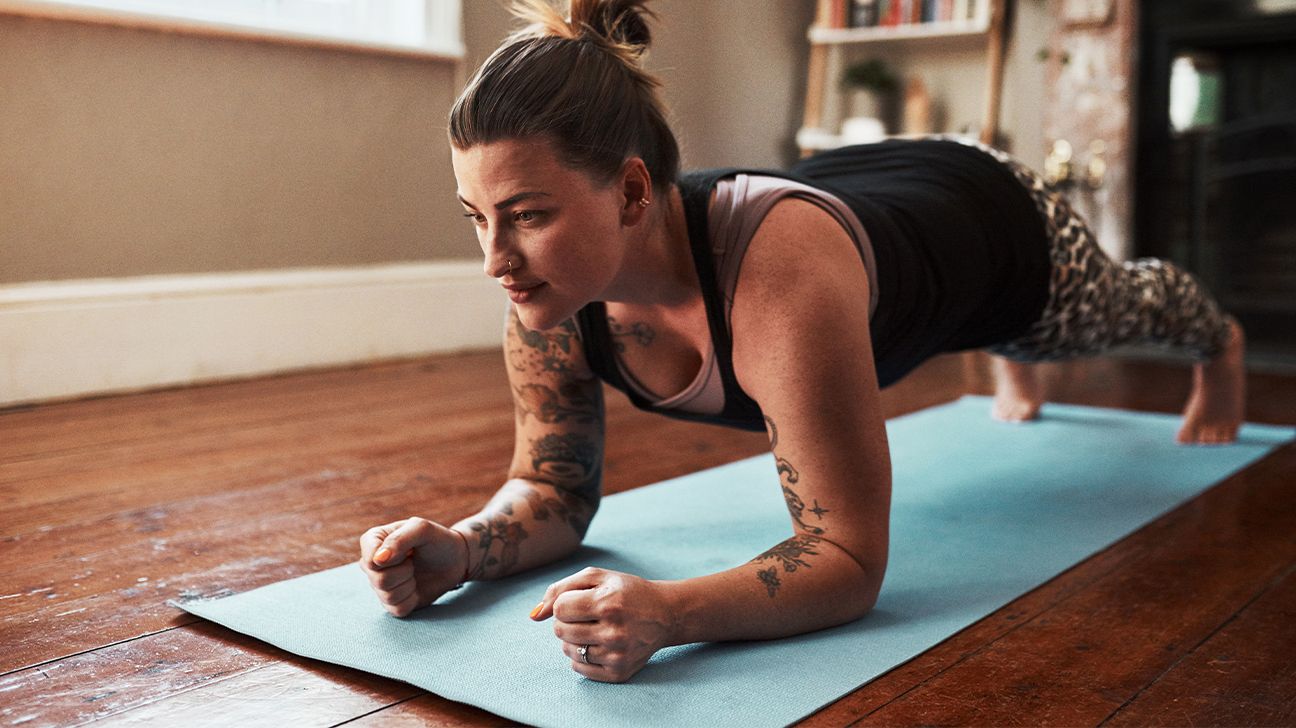
# Just 2 Hours of Strength Training a Week May Help You Live Longer
A new study reveals that modest amounts of resistance exercise correlate with lower mortality rates across diverse populations. Researchers analyzing data from multiple large health studies found that adults who engaged in roughly two hours of strength training weekly showed reduced risks of dying from all causes compared to those who did no resistance work.
The research synthesized findings from existing studies tracking thousands of participants over many years. People who completed even minimal resistance sessions, whether lifting weights, using resistance bands, or doing bodyweight exercises like planks and squats, demonstrated measurable longevity benefits. The effect held true across different age groups, body types, and fitness levels.
What makes this finding valuable for practical health planning is the modest time commitment. Two hours weekly breaks down to just 20 to 30 minutes most days, or two longer sessions per week. This accessibility matters because many people cite time constraints as barriers to exercise.
The mechanisms linking strength training to longer life spans involve several biological pathways. Regular resistance work builds and maintains muscle mass, which naturally declines with age. It improves insulin sensitivity, supporting metabolic health. It strengthens bones, reducing fracture risk in older adults. It enhances cardiovascular function and supports better balance, lowering fall risk among seniors.
The research underscores an often-overlooked reality: strength training deserves equal emphasis with aerobic exercise in health recommendations. While cardio workouts receive considerable public attention, resistance work provides distinct protective effects that cardio alone cannot replicate.
People new to strength training should start with bodyweight movements or light weights, focusing on proper form over intensity. Working with a trainer for initial sessions helps establish safe technique. Consistency matters more than intensity. Building the habit of twice-weekly sessions creates sustainable practice far more effectively than occasional intense workouts.
This research gives people concrete permission to prioritize strength