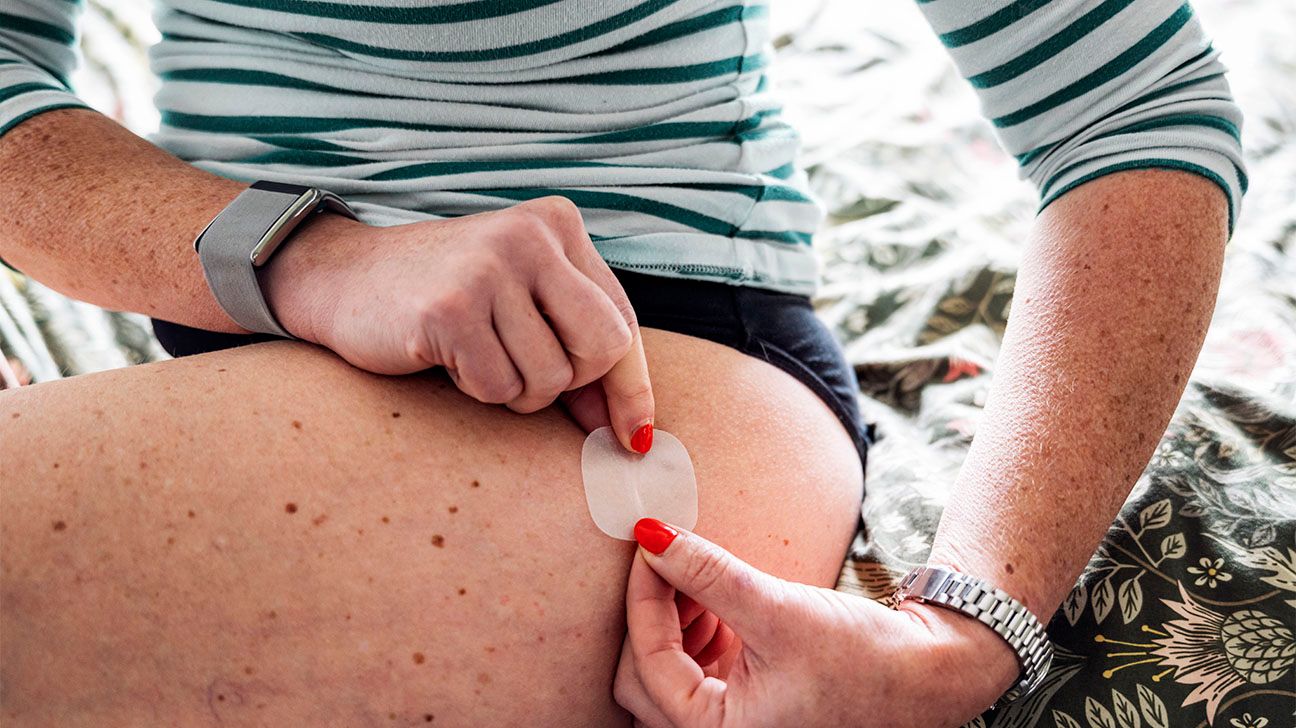
# Estrogen Patch Shortages Force Menopause Treatment Alternatives
Estrogen patches have become difficult to find, leaving women managing menopause symptoms without their preferred treatment option. The shortage stems from manufacturing constraints and increased demand as more women seek hormone replacement therapy.
Estrogen patches deliver consistent doses through the skin, avoiding the liver metabolism that oral pills require. This method reduces blood clot risk compared to tablet formulations. When patches run short, women face limited choices.
Oral estrogen tablets remain available and effective, though they carry slightly higher clot risks. Vaginal creams and rings work well for localized symptoms like vaginal dryness but don't address hot flashes or night sweats. Compounded estrogen preparations offer customized dosing but lack FDA oversight and quality standardization.
Non-hormonal options exist for symptom relief. SSRIs like sertraline reduce hot flashes in roughly 60% of users. Gabapentin helps night sweats and flushes. Black cohosh shows modest evidence in some studies.
Women should discuss alternatives with their doctors rather than stopping treatment abruptly. Switching between delivery methods requires medical guidance to maintain therapeutic hormone levels. Healthcare providers can weigh individual risk factors when choosing between available options. The shortage has pushed some women toward less convenient treatments, but effective solutions remain accessible.