Fructose added to ultra-processed foods drives obesity and metabolic disease more than other sugars, according to emerging research. The body processes fructose differently than glucose. Instead of triggering satiety signals in the brain, fructose bypasses fullness cues and gets metabolized primarily in the liver, where it converts to fat more readily.
Fructose appears in high-fructose corn syrup, a staple ingredient in sodas, pastries, condiments, and packaged snacks. Studies show people consuming high amounts gain more weight and develop insulin resistance, fatty liver disease, and elevated triglycerides at faster rates than those eating equivalent calories from glucose or whole fruits.
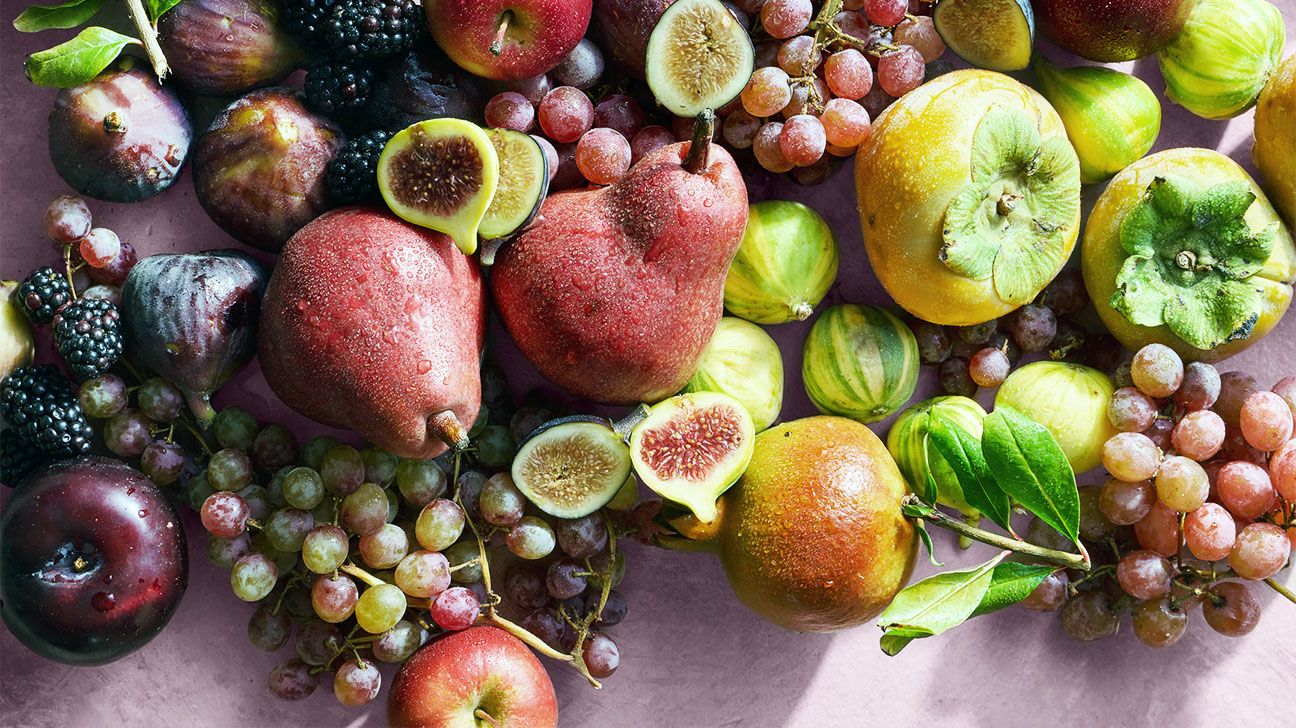
The distinction matters. Whole fruit contains fiber, which slows fructose absorption and activates satiety mechanisms the added version bypasses. A 2023 meta-analysis found adults reducing fructose intake lost more weight than those cutting other carbohydrates.
Food industry reformulation remains limited. Manufacturers continue using high-fructose corn syrup because it's cheap, extends shelf life, and tastes sweeter than alternatives. Public health experts recommend checking ingredient labels and limiting products listing fructose or high-fructose corn syrup in the first five ingredients. Water, whole fruits, and whole grains provide safer carbohydrate sources without fructose's metabolic drawbacks.