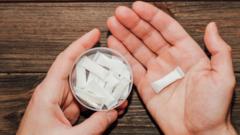
Caffeine pouches are gaining popularity among teenagers and young gym-goers, driven largely by social media influencers promoting the products. Health experts express concern about this trend.
These pouches deliver caffeine through oral absorption, bypassing the digestive system. Users place them between their gum and cheek. A single pouch can contain 4-40 milligrams of caffeine. Some products market themselves as energy boosters for workouts or studying.
The problem: teenagers face unknown health risks from regular use. Their developing brains remain sensitive to stimulant effects. High caffeine consumption in adolescents links to increased heart rate, anxiety, and sleep disruption. The products lack rigorous safety testing in younger populations.
Influencers promote caffeine pouches as gym supplements without disclosing potential harms. The marketing targets students seeking academic performance boosts and athletes wanting workout enhancements. This strategy exploits young people's trust in social media figures.
Regulatory oversight remains limited. Most jurisdictions treat caffeine pouches as dietary supplements rather than medications, meaning fewer safety requirements apply. Parents and educators should discuss these products with teenagers. The British health community urges caution until more research clarifies long-term effects on adolescent health.