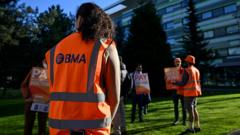
English resident doctors ended their 15th strike after a prolonged pay dispute with the government. The walkouts reflect deep frustration over compensation that has not kept pace with inflation.
Resident doctors in the UK earn substantially less than their peers in other developed nations. A junior doctor in their first year makes around £28,000 annually. Senior residents earn £40,000 to £50,000. These figures remain static for years without automatic increases tied to cost of living.
The British Medical Association represents these doctors and has repeatedly rejected government pay offers as insufficient. Each rejected proposal has triggered additional strike action, disrupting hospital services across England.
The dispute centers on restoration of pay that eroded over the past 15 years. When adjusted for inflation, resident doctors earn roughly 26 percent less than they did in 2008. Recruitment and retention in medical training programs have declined as a result.
The government argues budget constraints limit available funds for pay rises. Medical leaders counter that underpaying junior doctors creates a healthcare crisis. Training positions go unfilled. Experienced doctors emigrate to higher-paying countries.
Resident doctors returned to work following the latest negotiation round, though no agreement resolves the underlying pay gap. Further strikes remain possible if talks stall.