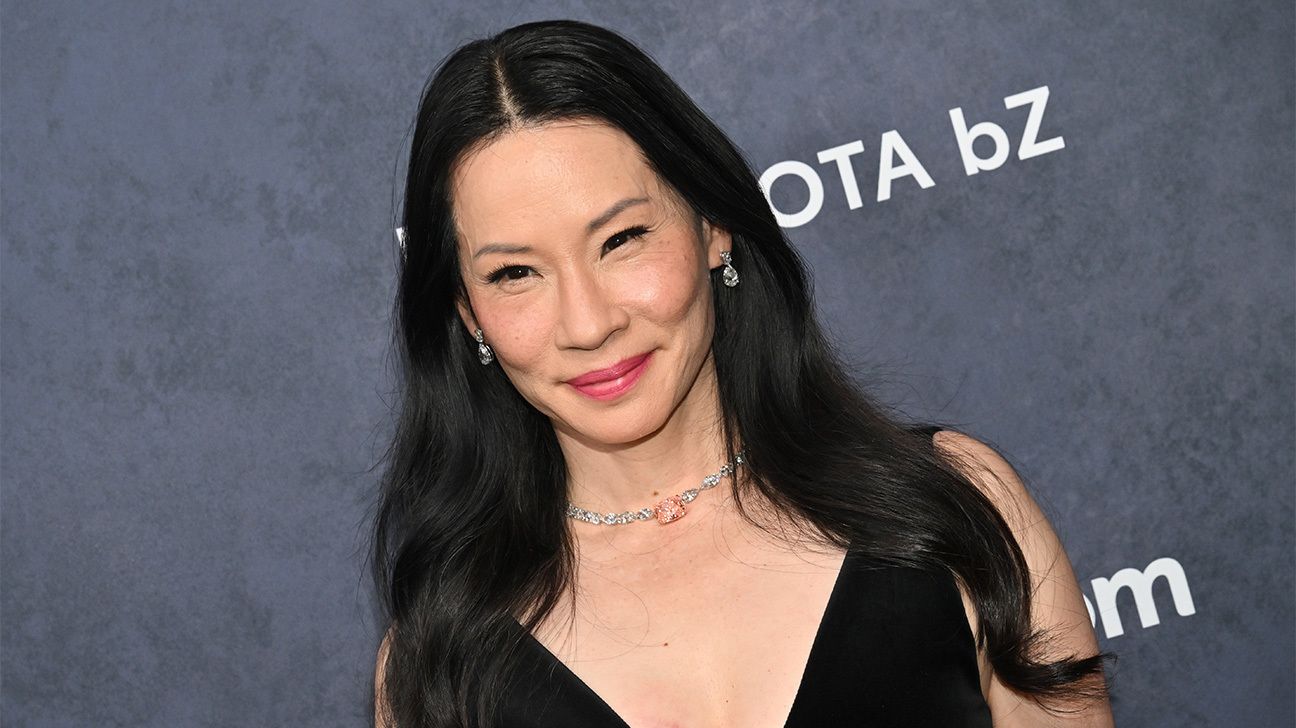
Actor Lucy Liu underwent unnecessary breast surgery at age 22 after receiving a cancer misdiagnosis. She now advocates for second opinions and thorough cancer screenings.
Liu's experience reflects a broader reality in breast cancer diagnosis. Misdiagnosis happens when imaging results get misinterpreted or when benign findings are mistaken for malignancy. At 22, Liu was young for breast cancer screening, yet she received a concerning diagnosis that prompted surgical intervention. The procedure ultimately revealed no cancer was present.
Her case underscores why multiple expert reviews matter in cancer care. When radiologists, pathologists, or oncologists assess imaging scans or biopsies, interpretation can vary. A second set of eyes catching these differences prevents unnecessary surgeries, emotional trauma, and recovery complications.
The American Cancer Society recommends women at average risk begin mammography discussions at age 40, though high-risk individuals may start earlier. Younger women with breast concerns typically receive ultrasound or MRI first. Biopsy procedures, which remove tissue for lab analysis, confirm whether abnormalities are benign or malignant.
Liu's advocacy aligns with clinical best practice. The National Comprehensive Cancer Network supports second opinions before major cancer treatment. Getting another pathologist to review biopsy slides or another radiologist to evaluate imaging costs little and takes days, not weeks. Insurance often covers these consultations.
For anyone facing a cancer diagnosis, asking for second opinions represents self-advocacy, not distrust. Patients can request their imaging scans and pathology slides be reviewed by specialists at different institutions or cancer centers. Online services now connect patients with expert reviewers remotely.
Liu's message resonates beyond celebrity circles. Women aged 20 to 40 report breast health anxiety yet sometimes hesitate to seek evaluation. Her openness about misdiagnosis normalizes the experience and validates the instinct to verify concerning