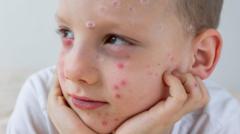
Starting January 2, 2026, the NHS will add chickenpox vaccination to its routine childhood immunization schedule. This marks a major shift in Britain's approach to a disease that has circled playgrounds and homes for generations.
Chickenpox spreads through respiratory droplets or direct contact with the characteristic fluid-filled blisters. The varicella-zoster virus causes the infection, which typically presents as fever, fatigue, and a distinctive rash that progresses from red spots to fluid-filled pustules over several days. Most children recover within one to two weeks, though complications can occur.
The decision to add varicella vaccine to the NHS programme reflects evidence about disease burden and prevention. Children who receive the vaccine develop immunity without enduring the infection itself. The vaccine reduces infection risk substantially and lessens severity if breakthrough cases occur.
Before 2026, chickenpox vaccination existed in the UK but required private payment or was reserved for specific groups like healthcare workers and immunocompromised children. This expansion means all children entering the routine schedule will receive protection as standard.
The timing aligns with the NHS's broader immunization strategy. Public health officials weigh disease prevalence, vaccination uptake rates, and healthcare resources when deciding which vaccines to include universally. Chickenpox vaccination has proven effective in other countries with similar vaccination programmes.
Parents should note that the vaccine typically requires two doses, given several weeks apart, for optimal protection. Existing complications from chickenpox—such as bacterial skin infections, pneumonia, or encephalitis—become preventable through vaccination.
Some parents may worry about vaccine side effects. Common mild reactions include soreness at the injection site or low-grade fever. Serious adverse events remain rare.
Children vaccinated before 2026 through private routes already have protection. The NHS expansion simply extends this protection to all children at no cost, removing financial barriers that