Older adults lose muscle mass at an accelerating rate after 60, a process called sarcopenia that affects strength, balance, and independence. Recent research shows that consistent daily movement proves more effective than sporadic gym sessions for rebuilding what age takes away.
The principle is straightforward: muscles need a reason to grow. Unlike younger people who can recover quickly from intense workouts, adults over 60 respond better to frequent, moderate-intensity exercises performed daily. This approach keeps muscles under consistent stimulus without excessive recovery demands.
Bodyweight exercises dominate effective regimens for this age group. Squats activate the largest muscle groups in the legs and glutes, critical for maintaining mobility and fall prevention. Wall push-ups and modified push-ups build upper body strength without joint strain. Step-ups onto stairs or low platforms strengthen leg muscles in a functional, everyday movement pattern. Chair stands, where you rise and lower yourself repeatedly, directly train the muscles needed for daily activities like standing from a couch or toilet.
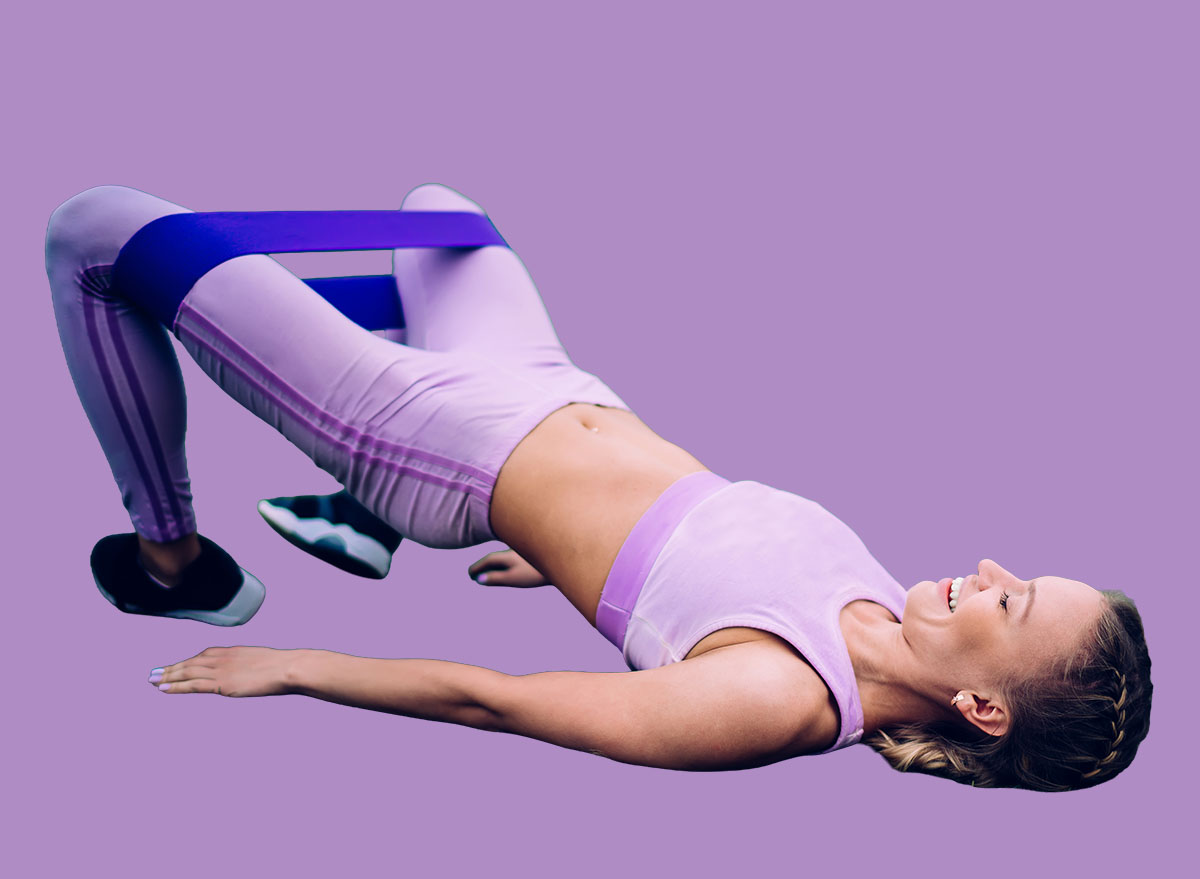
Resistance band work offers adjustable difficulty for shoulder presses, rows, and leg extensions. These exercises target muscles that typically atrophy first, like the rotator cuff stabilizers and quadriceps. Walking, particularly incline walking, combines cardiovascular benefit with leg strengthening.
What separates this approach from gym workouts is consistency and accessibility. A person over 60 performs these exercises daily in their home, removing friction that prevents gym attendance. Daily practice also prevents the long recovery periods that interrupt muscle-building signals in older adults.
Research on resistance training in older populations confirms that frequency matters more than intensity. Studies show older adults gain strength and muscle mass more reliably through regular moderate work than through occasional heavy lifting.
The key barrier remains adherence. Daily exercises lose effectiveness if abandoned after three weeks. Success requires treating these movements as non-negotiable habits, like brushing teeth, rather than optional