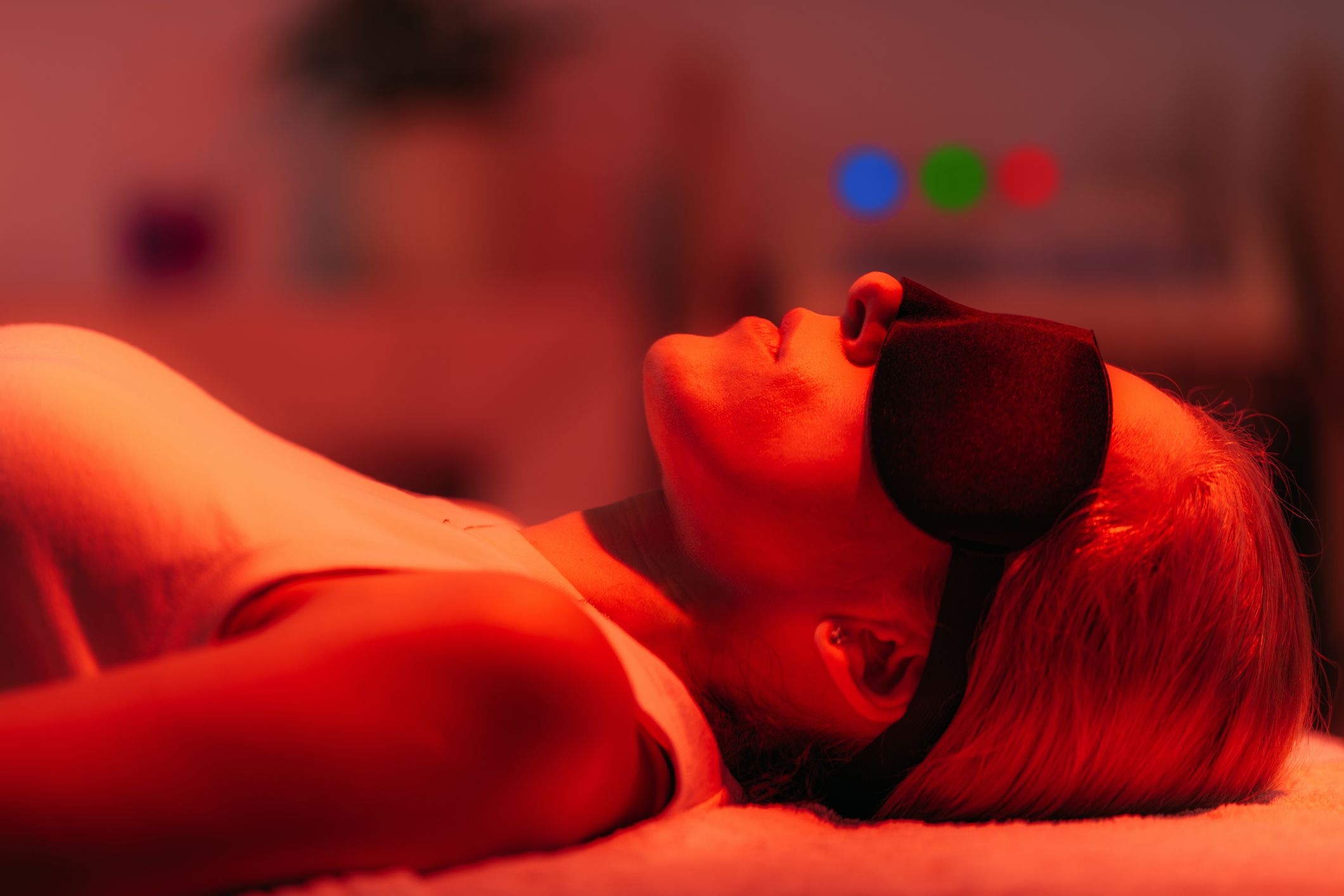
# How Red Light Therapy Works and 6 Benefits to Know, According to Dermatologists
Red light therapy uses wavelengths between 600 and 700 nanometers to penetrate skin and stimulate cellular activity. Dermatologists explain that this light reaches mitochondria in skin cells, where it energizes the production of ATP, the molecule cells use for fuel. This process supports collagen production and reduces inflammation.
The therapy shows documented benefits for several skin concerns. Dermatologists report improvements in acne, where red light reduces bacteria and calms inflammatory responses. Fine lines and wrinkles respond to the collagen-boosting effects, with visible improvements after consistent use. Wound healing accelerates through increased blood flow and cellular repair. Rosacea patients experience reduced redness and flushing. Scars fade as collagen remodels. Sun-damaged skin repairs more effectively when treated with red light.
The evidence comes from peer-reviewed research. Studies show red light therapy increases collagen synthesis and reduces pro-inflammatory markers in skin tissue. Treatment typically requires consistency, with sessions ranging from 10 to 20 minutes several times weekly, depending on the device intensity.
Certain populations should avoid red light therapy. Those taking medications that increase photosensitivity, including some antibiotics and retinoids, face heightened risks of adverse reactions. People with thyroid conditions should consult doctors first, as red light may affect hormone production. Pregnant women lack sufficient safety data. Those with eye conditions or using eye-area red light devices face potential retinal risks.
Dermatologists emphasize that red light therapy works best as part of a comprehensive skincare routine, not as a standalone treatment. Results develop gradually over weeks, not days. At-home devices vary widely in effectiveness based on wavelength specificity and power output. Professional-grade devices in dermatology