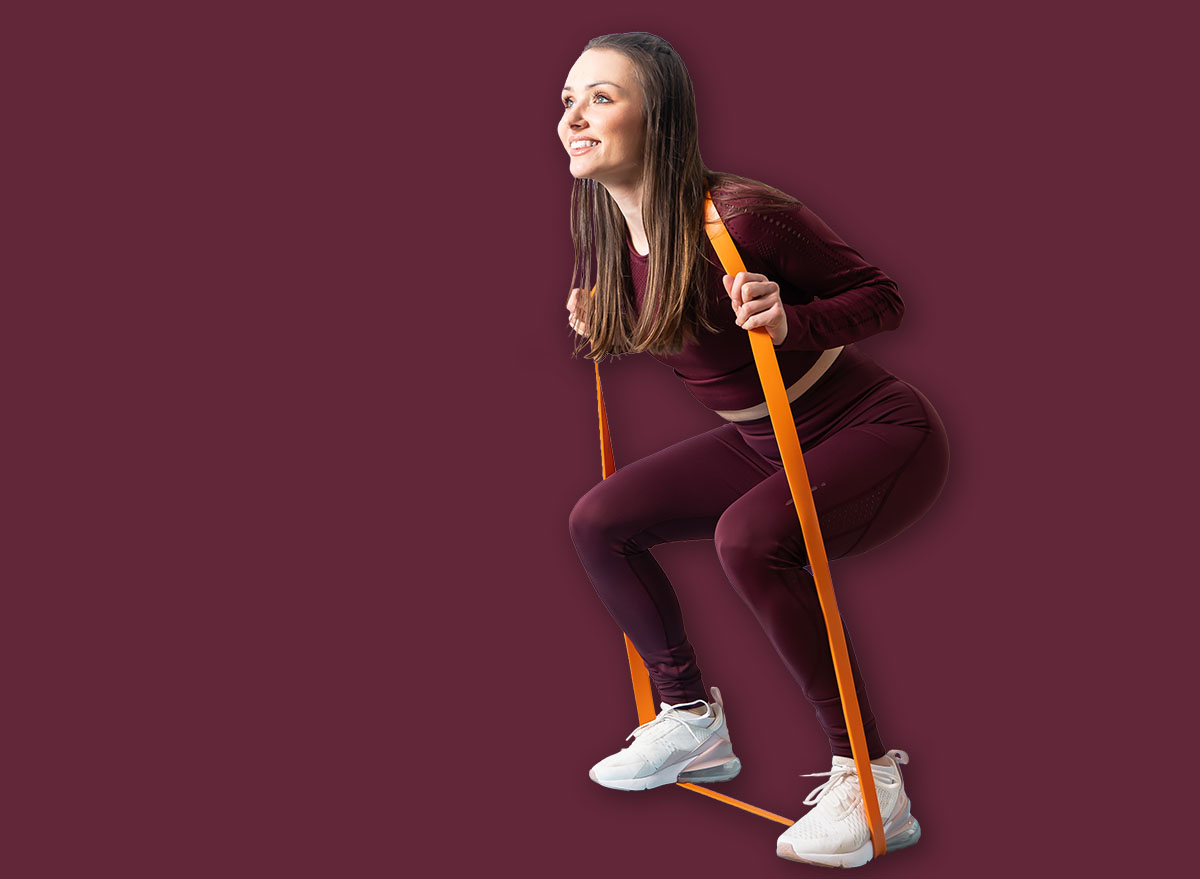
Body composition shifts after 55, and back rolls become a common concern as fat distribution changes with age. Five specific home exercises target this area more effectively than traditional weight training, according to fitness research on aging bodies.
The exercises focus on posterior chain activation and scapular stability, which naturally decline with age. Unlike heavy lifting, these movements emphasize muscular endurance and metabolic engagement without requiring equipment or gym access. This matters because older adults often experience decreased protein synthesis and slower muscle recovery, making targeted, lower-impact work more sustainable long-term.
The routine addresses a real physiological shift. After 55, hormonal changes (particularly declining estrogen in women and testosterone in men) redistribute fat toward the upper back and torso. Simultaneously, reduced daily movement and sitting patterns weaken the muscles that support this region. The selected exercises combat both issues by strengthening the rhomboids, latissimus dorsi, and upper back stabilizers while increasing caloric expenditure in a way that doesn't strain joints.
Home-based routines offer advantages for this demographic. They eliminate travel barriers, reduce intimidation some older adults feel in gyms, and allow exercise timing around daily life. The exercises can progress gradually as strength improves, making them accessible whether someone is sedentary or moderately active.
Consistency matters more than intensity for visible results after 55. These exercises work best when performed 3 to 4 times weekly, combined with adequate protein intake (1.2 to 1.6 grams per kilogram of body weight) and modest caloric awareness. Results typically appear within 6 to 8 weeks of consistent practice.
The approach aligns with gerontology research showing that functional, movement-based training produces better long-term adherence and quality-of-life improvements than isolated strength work for older adults. Back rolls respond to this combination of targeted muscle engagement, consistent