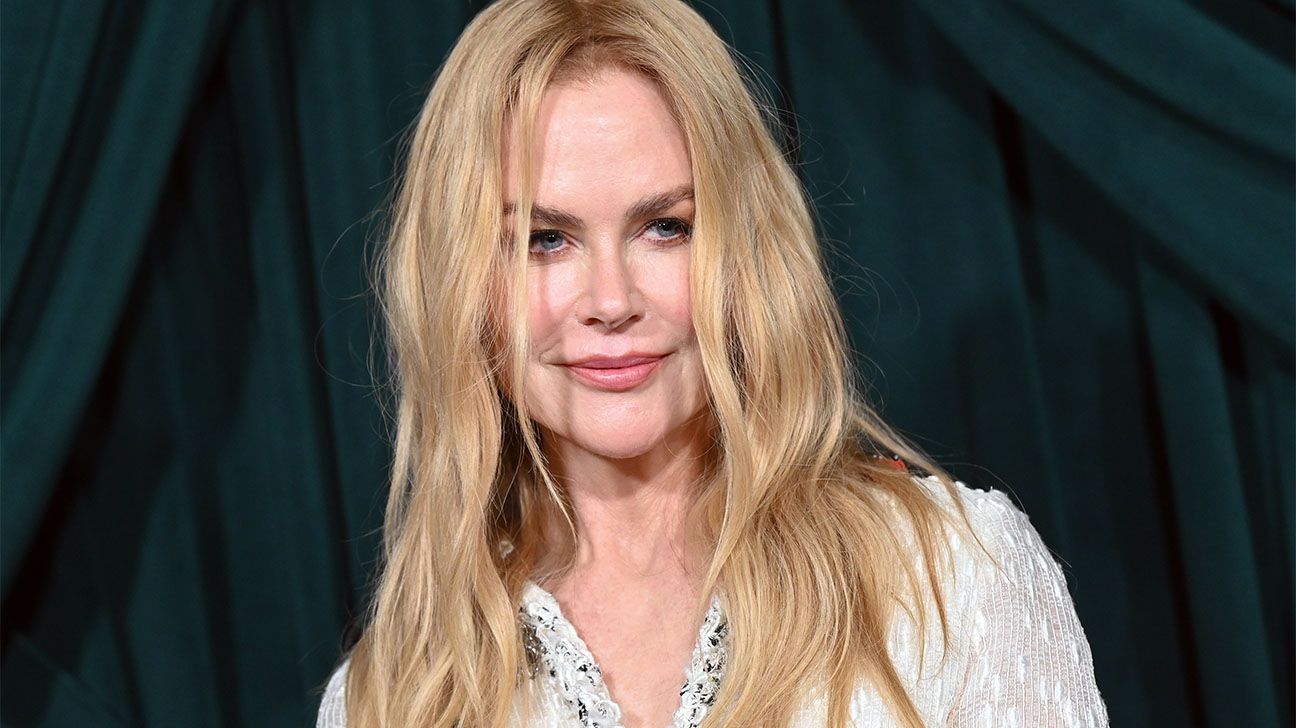
Nicole Kidman has announced plans to train as a death doula following her mother's recent passing. The Oscar-winning actor shared her intention during a recent interview, describing the role as meaningful work that helps people navigate end-of-life experiences with dignity and comfort.
Death doulas, also called end-of-life doulas, provide emotional and practical support to dying individuals and their families. Unlike medical professionals, death doulas focus on creating peaceful environments, facilitating conversations about legacy and wishes, and offering companionship during final days. The role draws from the midwifery model of care, where doulas have long supported people through birth.
The death doula field has grown substantially over the past decade. Organizations like the International End of Life Doula Association now certify practitioners through training programs that typically span weeks to months. Training covers grief support, communication skills, and practical matters like advance directives and funeral planning.
Research on end-of-life care quality suggests that non-medical support improves patient outcomes. Studies published in palliative care journals show that people who receive consistent emotional support and have their wishes documented experience less anxiety and report higher satisfaction with their final days. Families also benefit, with many finding closure through guided conversations facilitated by trained doulas.
Kidman's disclosure reflects broader cultural shifts around death acceptance. Many families now recognize that professional end-of-life support fills gaps that medical care alone cannot address. Death doulas complement hospice teams and medical professionals rather than replace them.
The actor's public commitment to this work may increase visibility for a profession still unfamiliar to many people. Training requirements and certification standards vary by region and organization, but the field continues developing evidence-based practices for supporting dignity at life's end.