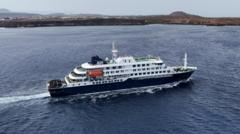
# Hantavirus Cases Prompt Cruise Ship Evacuation
A cruise ship heading to the Canary Islands has evacuated three passengers after they developed symptoms consistent with hantavirus infection. Among those removed was a British man who, along with two other travelers, was flown to the Netherlands for medical treatment.
The MV Hondius, operated by Hurtigruten Expeditions, confirmed the incident after passengers displayed symptoms associated with the viral illness. Hantavirus infections occur through exposure to infected rodent droppings, urine, or saliva, typically in enclosed spaces like ships where rodent populations may be present.
Hantavirus can cause hantavirus pulmonary syndrome, a severe respiratory illness with symptoms including fever, muscle aches, coughing, and difficulty breathing. The infection develops in two stages. Initial symptoms resemble flu, followed by a more serious phase where fluid accumulates in the lungs, potentially leading to respiratory failure.
The virus carries a fatality rate of roughly 38 percent in confirmed cases, according to the U.S. Centers for Disease Control and Prevention. Early treatment improves outcomes, which is why rapid evacuation of symptomatic passengers represents standard protocol for cruise operators.
Hurtigruten Expeditions implemented containment measures aboard the vessel. The company operates polar expedition cruises across Svalbard, Greenland, and Antarctic regions, environments where rodent control presents ongoing challenges.
Health authorities in the Netherlands received the evacuees, where they received specialized care for potential hantavirus infection. The decision to divert the ship allowed medical professionals to isolate and monitor the three patients while preventing further potential exposures aboard.
For passengers aboard cruise ships, the risk of hantavirus remains low. Outbreaks typically occur in settings with heavy rodent infestations and poor sanitation. Modern cruise operators maintain rigorous