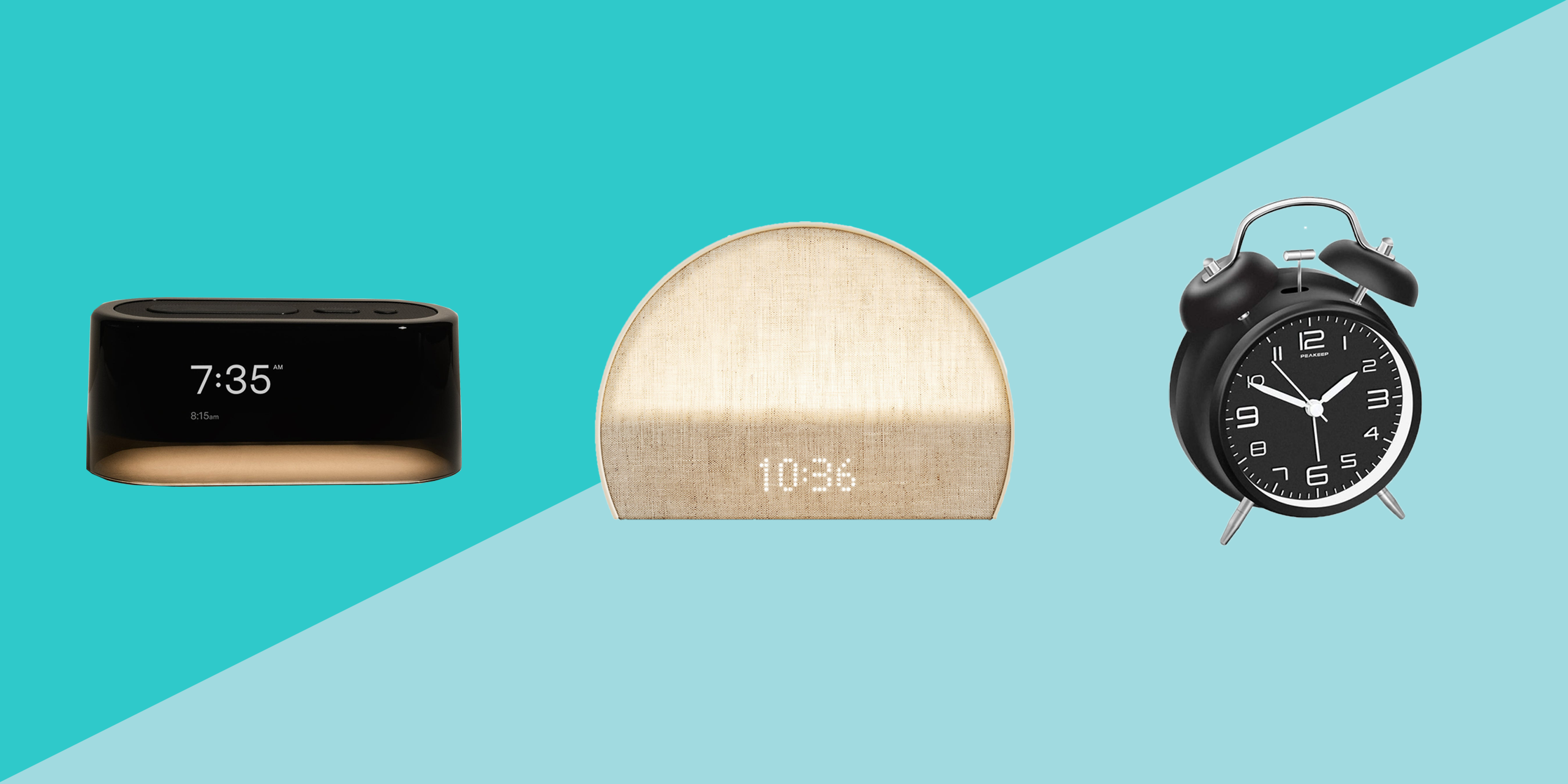
Heavy sleepers face a real challenge. Standard alarm clocks often fail to wake them, leaving them perpetually late and stressed. The difference lies in volume, vibration, and sensory intensity.
Sleep medicine specialists recommend alarms exceeding 80 decibels for people with naturally deep sleep patterns. The human ear begins registering discomfort around 85 decibels, making this the practical upper limit for bedroom use. Bed-shaker devices sidestep the noise problem entirely by delivering physical vibration directly to the mattress, engaging the tactile sensory system rather than auditory pathways alone.
Dr. Raj Dasgupta, a sleep specialist at the University of Southern California, notes that heavy sleepers often have higher arousal thresholds. Their brains require stronger stimuli to interrupt deep sleep cycles. This isn't laziness or poor willpower. It reflects genuine neurological differences in sleep architecture.
Combination approaches work best. Pairing an ultra-loud alarm clock with a bed-shaker device addresses multiple sensory channels simultaneously, dramatically increasing wake-up success rates. Placing the alarm across the room forces physical movement to silence it, which further reinforces wakefulness.
Light-based alarms offer another option. Gradual light exposure triggers the brain to reduce melatonin production, naturally easing wakefulness. This method works particularly well when paired with sound, creating a multi-sensory wake-up sequence.
Smart alarm clocks with customizable tones let users select sounds that feel less jarring than traditional beeps. Some people respond better to nature sounds or music, reducing grogginess and irritability upon waking.
For shift workers or those with irregular schedules, programmable alarms that vary timing and intensity prevent the "alarm habituation" that develops when the same sound plays at the same volume every morning. The brain literally stops