# Doctors' Strikes Show Unexpected Improvements in Hospital Efficiency
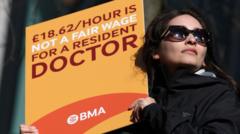
Hospital administrators across the UK report a counterintuitive finding following recent physician strikes: shorter patient wait times, faster clinical decision-making, and less chaotic ward environments. Several NHS trusts shared these observations with the BBC, suggesting that work stoppages by doctors may inadvertently expose operational inefficiencies in normal hospital function.
The pattern emerging from these accounts points to a specific mechanism. When doctors strike, hospitals activate contingency protocols. Senior clinicians step into roles typically handled by junior staff. Administrative bottlenecks disappear. Emergency procedures receive immediate attention without competing with routine referrals. The streamlined triage forces hospitals to prioritize ruthlessly, eliminating low-value activities that persist during normal operations.
This phenomenon mirrors findings from other high-pressure industries. When systems operate at full capacity, bloat accumulates. Strikes force efficiency by removing the option to absorb delays. But the improvements raise a harder question: sustainability.
Hospital trusts acknowledge these gains remain temporary. Once normal staffing resumes, the pressures that created inefficiency return. Without structural changes, hospitals revert to previous patterns. The benefits evaporate unless administrators implement permanent reforms inspired by strike-period operations.
The paradox troubles health administrators. Strikes create the operational clarity hospitals claim they want, yet institutions lack mechanisms to translate temporary improvements into lasting change. Consultant workloads remain unchanged. Administrative processes revert. Junior doctors resume their previous responsibilities without the oversight strike conditions provided.
Some NHS leaders now examine how to capture these benefits without requiring labor action. Process redesigns, staffing model reviews, and administrative audits attempt to replicate the forced efficiency of strike conditions. Success remains uncertain. Building permanently leaner operations requires sustained commitment and investment that normal budget cycles struggle to support.
The question persists for hospitals and doctors alike: can health systems maintain