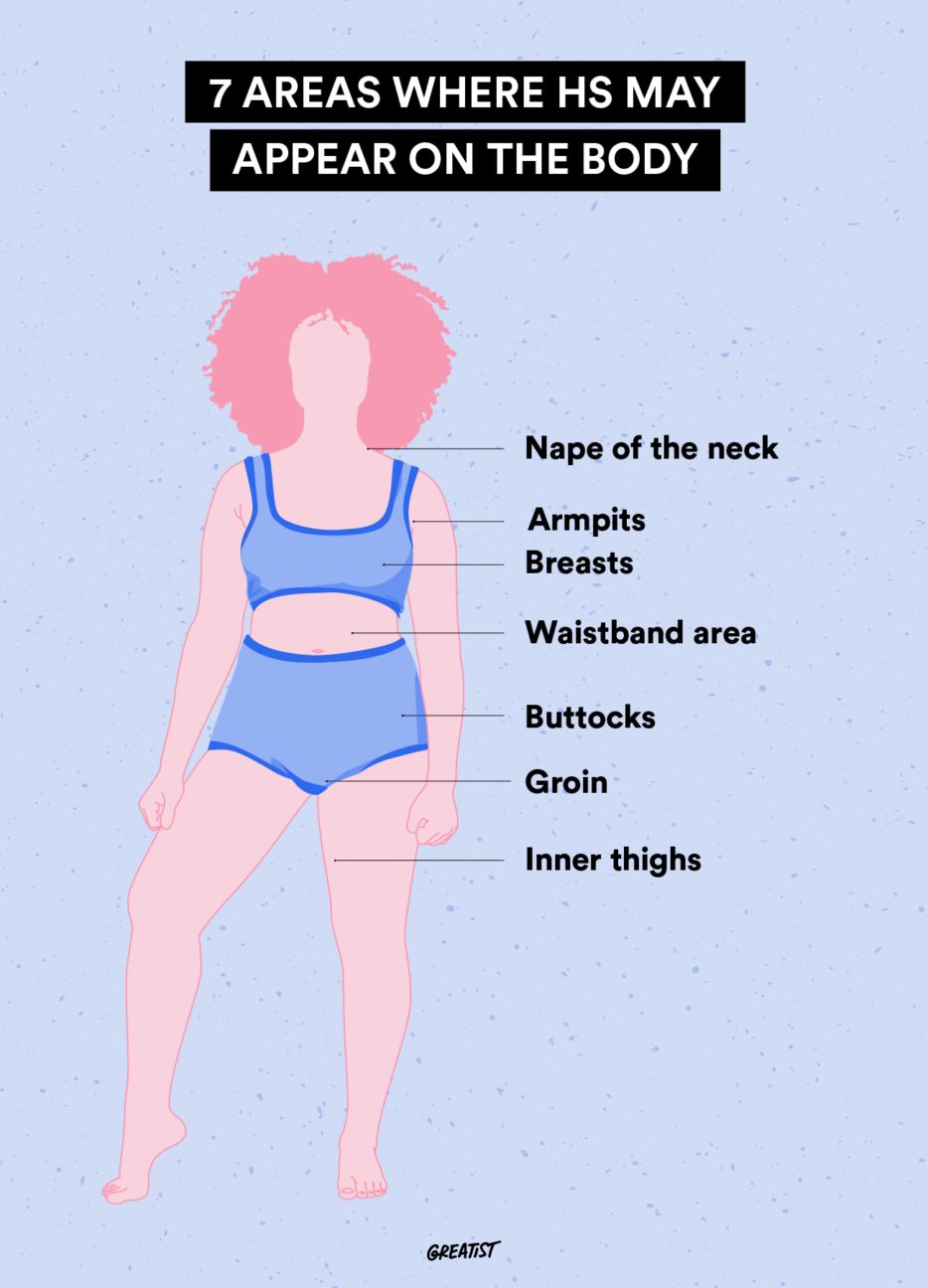
Hidradenitis suppurativa (HS) creates painful, boil-like lumps in specific body areas, and understanding where it strikes helps patients recognize and manage the condition early.
HS is a chronic, progressive skin disorder that forms nodules in regions with high concentrations of hair follicles and apocrine glands. The lumps become inflamed, infected, and painful, though HS itself is not an infection. The condition develops slowly and worsens over time without treatment.
Seven primary locations show vulnerability to HS. The underarms rank as one of the most common sites. The inframammary fold, the area directly beneath the breasts, frequently develops lesions. The groin area and inner thighs experience regular flares due to constant friction and moisture. The buttocks and gluteal cleft face persistent skin-on-skin rubbing. The nape of the neck and the waistband area, where clothing creates friction, also develop characteristic lesions.
Friction and sweat create the perfect environment for HS flares. Skin rubbing against skin or tight clothing triggering irritation sets off inflammatory cycles. Heat and humidity worsen symptoms. These factors explain why HS clusters in body folds and areas prone to perspiration.
The exact cause remains unclear, but three factors influence development. Genetic predisposition plays a role, with HS sometimes running in families. Environmental triggers like friction, heat, and smoking accelerate disease progression. Hormonal fluctuations, particularly in women, correlate with symptom severity.
Early recognition matters. Patients noticing recurring painful bumps in these seven locations should consult a dermatologist. A specialist diagnosis opens access to treatments ranging from topical medications to biologic therapies. Lifestyle adjustments like loose clothing, moisture-wicking fabrics, and smoking cessation also reduce flare frequency and severity