# Could Eating Your Fruits and Veggies Really Give You Lung Cancer?
A recent study has prompted concern about pesticide residues on produce, but the evidence does not support avoiding fruits and vegetables. Researchers examined whether pesticide exposure through diet increases lung cancer risk, particularly in people who have never smoked.
The study tracked pesticide intake patterns in large populations and found associations between certain pesticide residues and lung cancer cases. However, association does not prove causation. The absolute risk remains low, and confounding factors complicate interpretation.
Experts emphasize that fruits and vegetables protect health far more than pesticide residues harm it. The antioxidants, fiber, and phytonutrients in produce reduce inflammation and support immune function. The American Cancer Society and other health organizations continue recommending at least five servings daily.
Pesticide regulations in the United States require that residue levels on food meet safety standards established by the Environmental Protection Agency. The EPA sets limits based on toxicological data, accounting for lifetime exposure. Most people consume residues well below these thresholds.
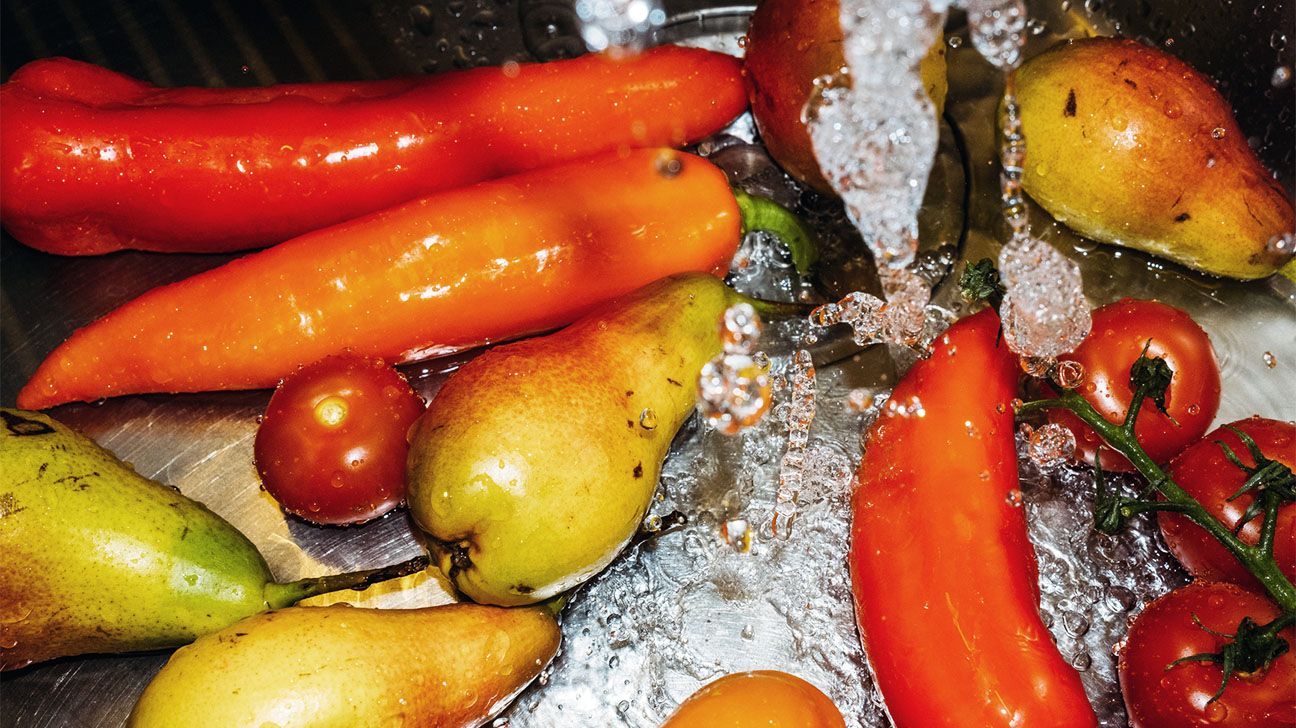
For those concerned about pesticide exposure, washing produce under running water removes surface residues. Choosing organic produce for certain items like berries and leafy greens can reduce exposure further, though conventional produce remains safe. Variety matters more than perfect produce selection.
The research highlights an area needing further investigation. Scientists continue studying how pesticide exposure at different life stages affects lung cancer risk. This work will refine our understanding of environmental contributors to disease.
Stopping produce consumption based on pesticide concerns would eliminate significant health benefits. The proven protective effects of fruits and vegetables for heart health, digestion, and cancer prevention across multiple organ systems far outweigh theoretical risks from residues. Continuing to eat abundant produce remains one of the clearest evidence-based strategies for disease prevention.