# Hantavirus-Exposed Americans Return to U.S. — Why Experts Say Your Risk Is Low
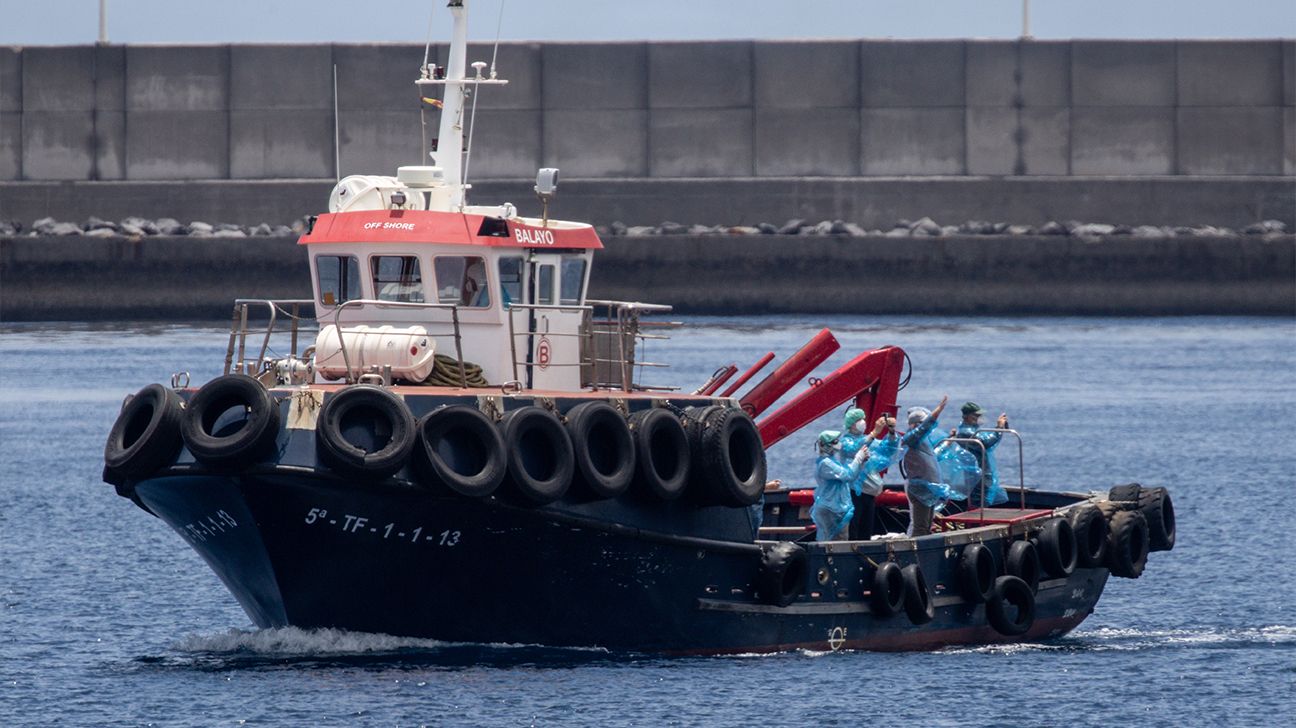
A group of American tourists exposed to hantavirus while aboard a cruise ship has returned to the United States, prompting questions about transmission risk and public health preparedness. The exposure occurred during an expedition cruise, though health officials emphasize that casual contact poses minimal danger to the general public.
Hantavirus spreads primarily through contact with infected rodent droppings, urine, or saliva, not between people. The Centers for Disease Control and Prevention confirms person-to-person transmission remains extremely rare outside specific healthcare settings. This critical distinction means exposed travelers who show no symptoms present virtually no risk to family members, coworkers, or the broader community.
The virus causes hantavirus pulmonary syndrome, a serious respiratory illness with a fatality rate around 38 percent in the United States. Early symptoms mimic common illnesses: fever, muscle aches, and fatigue progressing to cough and shortness of breath within one to two weeks of exposure. Anyone with potential rodent exposure should seek medical evaluation if respiratory symptoms develop.
Public health authorities have implemented monitoring protocols for the exposed group. Individuals will receive education about hantavirus transmission and guidance on symptom recognition. Healthcare providers have been alerted to watch for cases, ensuring rapid diagnosis if illness occurs.
The incident underscores basic prevention measures anyone can implement. Avoid contact with rodents and their waste. Seal holes in homes. Store food in rodent-proof containers. When cleaning areas with rodent evidence, spray with disinfectant first rather than sweeping to minimize airborne particles.
Exposure itself does not guarantee infection. Many people exposed to hantavirus never develop illness. The virus requires direct contact with infected rodent material in sufficient quantities to cause disease. Standard hygiene and careful handling of potentially contaminated