# Rucking: Walking With Weight Builds Strength and Endurance
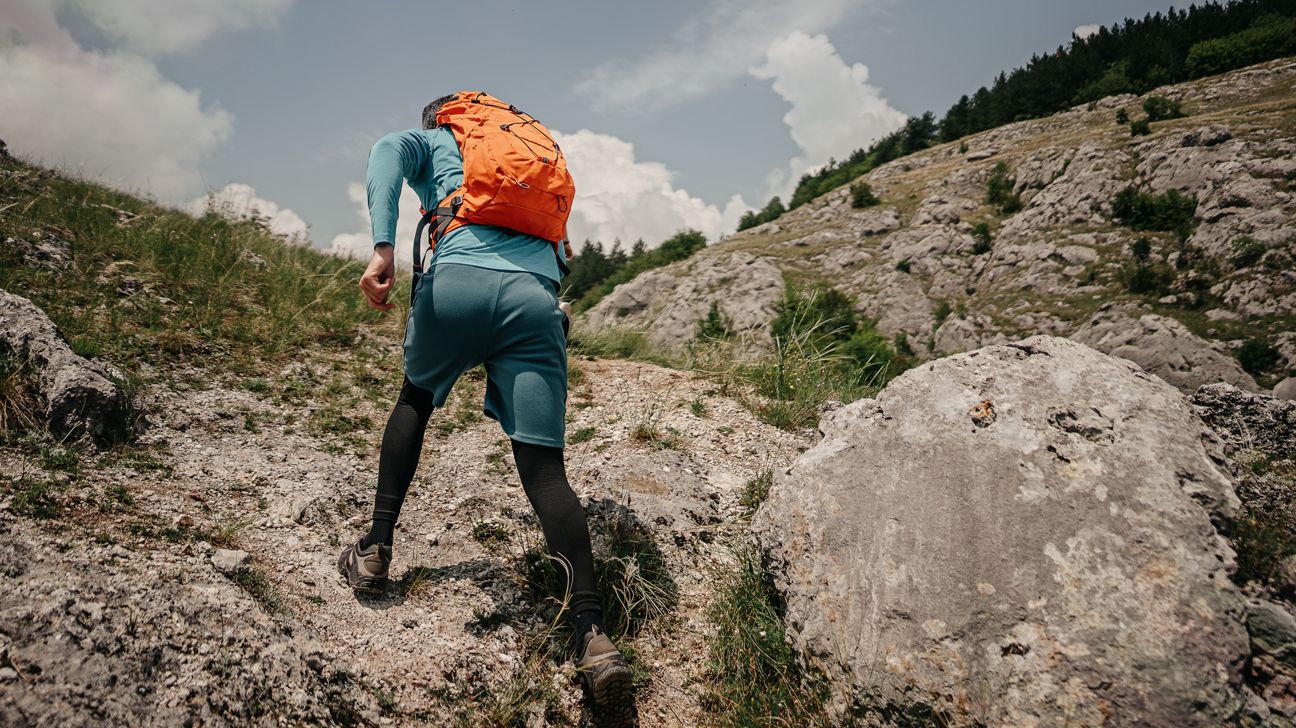
Rucking transforms an ordinary walk into a full-body workout. The practice involves carrying a weighted backpack while walking, combining cardiovascular exercise with resistance training in one simple activity.
The fitness benefits are substantial. Walking with added weight forces your muscles to work harder, building strength in your legs, back, and core. Simultaneously, your heart and lungs get a cardiovascular challenge, burning more calories than an unweighted walk. Unlike traditional weightlifting, rucking requires no gym membership or complicated equipment.
Starting rucking safely matters. Fitness experts recommend beginning with a backpack weighing 10 to 15 percent of your body weight. For a 150-pound person, that means 15 to 22 pounds. Proper form involves keeping your shoulders back and engaging your core to protect your spine. As your fitness improves, you can gradually increase both weight and distance.
The accessibility factor makes rucking especially practical. You can ruck anywhere. Walk your dog while rucking. Push a stroller through the neighborhood while carrying weight. Combine the exercise with errands or daily tasks instead of carving out separate gym time.
Duration doesn't require hours. Even 20 to 30 minutes of rucking delivers fitness gains. Consistency matters more than intensity. Building rucking into your routine three to four times weekly produces visible strength improvements within weeks.
Rucking suits various fitness levels. Complete beginners can start with lighter loads and shorter distances, then progress as their bodies adapt. Advanced athletes can increase weight and pace to maintain challenge. The scalability makes rucking work for nearly anyone.
One practical tip: invest in a quality backpack with padded straps. Cheap backpacks cause shoulder discomfort and can lead to injury. A