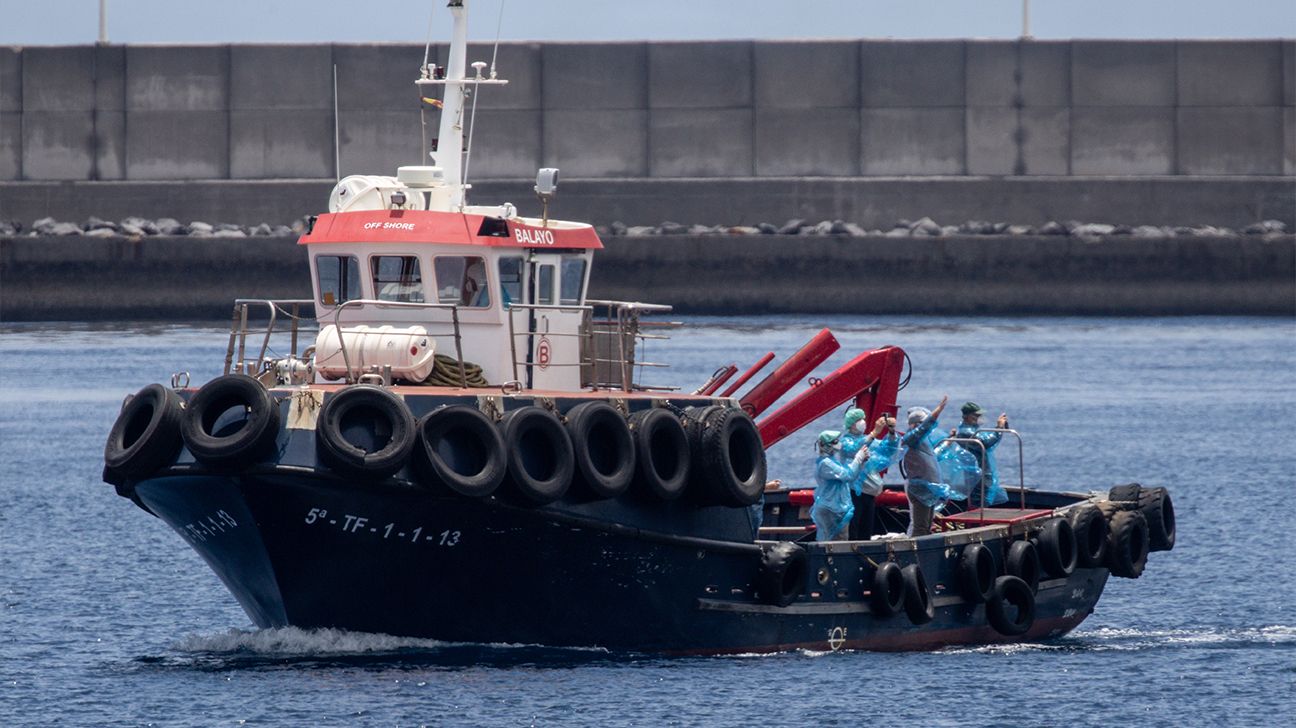
A hantavirus outbreak on a cruise ship has raised questions about the virus's pandemic potential in the United States. The MV Hondius, an expedition vessel, evacuated passengers after multiple cases of hantavirus infection were confirmed among crew and travelers.
Hantavirus typically spreads through contact with infected rodent droppings, urine, or saliva. The virus causes hantavirus pulmonary syndrome, a severe respiratory illness with a fatality rate around 38 percent in North America. Symptoms include fever, muscle aches, cough, and shortness of breath, often appearing one to eight weeks after exposure.
The confined environment of a cruise ship raises transmission concerns. Public spaces, shared ventilation systems, and close quarters create conditions where respiratory pathogens spread efficiently. Cruise ships have historically amplified disease outbreaks, from norovirus to COVID-19. However, hantavirus differs from these pathogens. Person-to-person transmission remains rare. The virus spreads primarily when people inhale aerosolized particles from rodent waste or make direct contact with contaminated materials.
The Centers for Disease Control and Prevention monitors hantavirus cases closely. Most infections occur in people with occupational or recreational exposure to rodents, particularly in rural areas of the western United States. Cruise ships typically undergo rigorous pest control protocols, making rodent infestations uncommon.
Infectious disease experts note that while any outbreak deserves attention, hantavirus poses limited pandemic risk compared to respiratory viruses. The virus requires specific transmission routes that don't match typical person-to-person spread patterns. Vaccination and treatments remain under development, but prevention focuses on rodent control and safety practices.
For travelers, basic precautions reduce hantavirus risk significantly. Report any rodent sightings to crew members immediately. Avoid touching rodents or their waste. Ensure proper