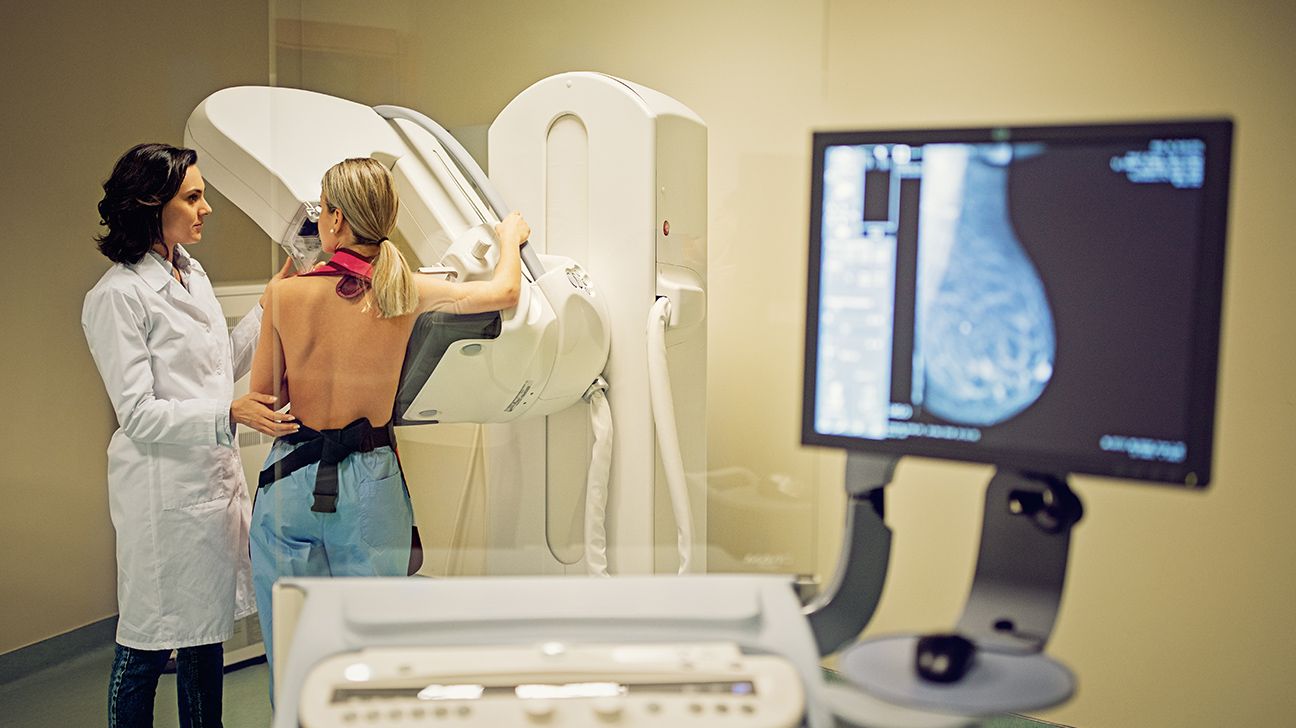
# New Breast Density Treatment Shows Promise with Reduced Side Effects
Researchers have identified a new treatment approach for high breast density that appears to lower cancer risk while causing fewer adverse effects than existing options. High breast density, a condition where breast tissue contains more glandular and connective tissue relative to fat, increases breast cancer risk and complicates mammogram interpretation.
The treatment targets the biological mechanisms underlying breast density, offering an alternative to current hormone-based therapies that carry their own risks and side effect profiles. Traditional approaches often rely on medications like tamoxifen or aromatase inhibitors, which address breast cancer risk but can produce significant systemic effects including hot flashes, joint pain, and cardiovascular concerns.
This emerging treatment demonstrates a more targeted mechanism that addresses the underlying tissue composition without the broad hormonal disruption of conventional therapies. Early evidence suggests women using this approach experience fewer quality-of-life disruptions while still achieving meaningful reductions in breast density and associated cancer risk.
The development represents a shift toward precision medicine in breast health, where treatments target specific tissue characteristics rather than relying solely on systemic hormone modulation. For women identified with high breast density during routine screening, this creates a new option to discuss with their healthcare providers.
Women with dense breasts often face difficult decisions. They must weigh their elevated cancer risk against the potential side effects of preventive medications. Some choose supplemental imaging like ultrasound or MRI to improve detection, while others pursue pharmaceutical intervention. This new approach expands the toolkit available to patients and their doctors.
The breakthrough matters particularly for younger women and those in perimenopause or early menopause, populations where hormone-based side effects can feel especially burdensome. As this treatment moves through further clinical validation, it could reshape how clinicians and patients approach breast density management.
Women concerned about their breast density should continue regular screening and discuss all available options with