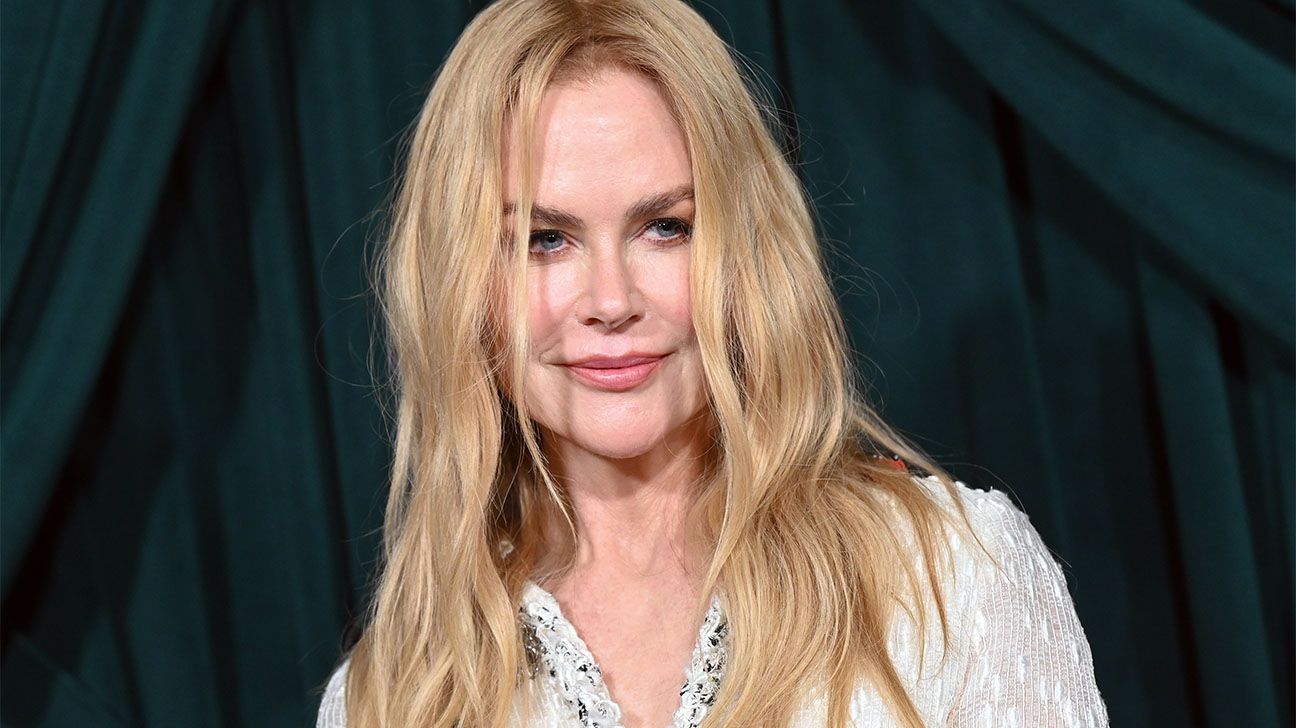
Nicole Kidman announced she is training to become a death doula following the recent passing of her mother. The Academy Award-winning actor shared her plans during a recent interview, describing the role as deeply meaningful work that emerged from her personal grief.
Death doulas, also called end-of-life doulas, provide emotional, physical, and spiritual support to dying individuals and their families during the final stages of life. The profession draws parallels to birth doulas, who support people during pregnancy and childbirth. Death doulas help create comfortable, dignified end-of-life experiences by listening to patients' wishes, facilitating conversations about mortality, and offering practical assistance with things like legacy projects or celebration-of-life planning.
Kidman's decision reflects a growing trend toward professionalized end-of-life care. As conversations around death become less taboo in mainstream culture, more people seek support from trained practitioners who specialize in this sensitive work. Death doula training programs typically include modules on grief support, communication skills, and understanding different cultural and spiritual approaches to dying.
The actor's public commitment to this path opens dialogue about how people process loss and find purpose in helping others navigate similar experiences. Grief can catalyze meaningful work, and Kidman's announcement underscores how personal tragedy sometimes directs people toward service.
The field of death doula work remains largely unregulated in most countries, though various organizations including the National End-of-Life Doula Alliance offer certification programs and training standards. These programs educate practitioners on listening skills, family dynamics, and self-care to prevent burnout in emotionally demanding work.
Kidman's interest in formalizing her training demonstrates that end-of-life support attracts people from diverse backgrounds seeking to contribute to dignified, compassionate care at life's end. Her public advocacy may help normalize conversations about death and the professionals who ease the dying