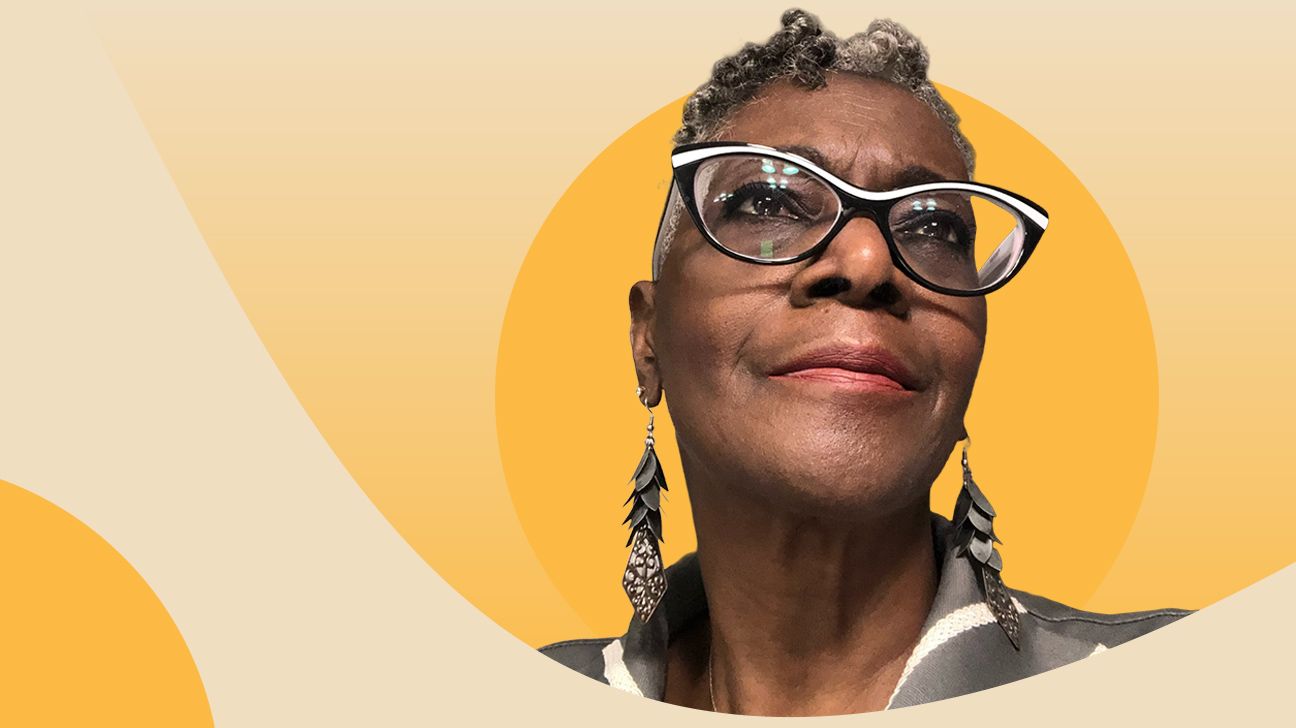
Barbara Roberts received her HIV diagnosis in 1996 and has spent three decades managing the virus. Now 74 years old, she represents a growing population of people aging with HIV, benefiting from advances in treatment that have transformed the condition from a terminal diagnosis into a manageable chronic disease.
Modern antiretroviral therapy has extended life expectancy dramatically for people with HIV. Roberts has adapted her treatment regimen multiple times over the years as new medications emerged. Recently, the FDA approved a new medication that further simplified her management approach, reducing her daily pill burden and improving her quality of life at an age when medication simplification matters most.
People living with HIV for decades face distinct health challenges. Age-related complications including heart disease, bone loss, cognitive decline, and certain cancers develop at higher rates in aging HIV-positive populations compared to HIV-negative peers. The virus itself, even when well-controlled, appears to accelerate aging processes at the cellular level. Roberts' experience navigating three decades of treatment changes illustrates how people with HIV must continuously adapt to new medical options while managing the cumulative effects of living with the virus.
Roberts' story highlights the real-world impact of treatment innovation. Earlier antiretroviral regimens required multiple pills daily and caused significant side effects. Newer formulations consolidate medications and improve tolerability, allowing people like Roberts to maintain better adherence and quality of life. The latest FDA-approved option represents continued progress in this direction.
Her three-decade journey also underscores the importance of consistent medical care and treatment adherence. People with undetectable viral loads through antiretroviral therapy live normal life spans and cannot transmit HIV sexually, a concept known as "undetectable equals untransmittable." Roberts' case demonstrates that with access to evolving treatments and proper medical oversight, people diagnosed with HIV can build full, long lives.
The growing population of older adults with HIV