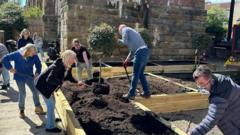
# Wellbeing Garden Opens to Combat Isolation
Yarm Wellness has launched a new outdoor garden space designed to address social isolation, a growing health concern that researchers increasingly link to serious physical and mental health consequences.
The garden opening reflects a broader shift in wellness practice toward environmental intervention. Healthcare providers now recognize that structured outdoor spaces can reduce loneliness and promote community connection, particularly for vulnerable populations including older adults and those managing chronic conditions.
Social isolation carries measurable health risks. Research from institutions studying loneliness shows connections between prolonged isolation and increased rates of depression, anxiety, cardiovascular disease, and cognitive decline. The American Heart Association has classified loneliness as a health risk factor comparable to smoking and obesity.
Gardens serve specific therapeutic functions beyond aesthetics. Horticultural therapy practitioners use outdoor spaces to facilitate social interaction, physical activity, and stress reduction simultaneously. Exposure to natural light regulates circadian rhythms and mood through serotonin production. Interaction with plants and soil engages multiple sensory systems, which neurological research shows activates calming parasympathetic nervous system responses.
The Yarm Wellness garden operates on this evidence base. By opening the space publicly, organizers enable free access to therapeutic benefits that might otherwise require clinical intervention or costly wellness programs. Community gardens have demonstrated effectiveness in reducing social isolation while building neighborhood cohesion and food security.
The opening Saturday represents a practical application of prevention-focused health strategy. Rather than waiting for isolation to trigger medical crises, this model creates environmental structures that naturally encourage gathering and connection. For people without transportation, mobility limitations, or financial barriers to traditional wellness activities, accessible community gardens provide equivalent health benefits.
This approach aligns with growing recognition that wellness extends beyond individual behavior change. Structural factors, including available green space and community infrastructure, shape health outcomes as powerfully as personal choices. Gardens function as health interventions embedded in daily geography