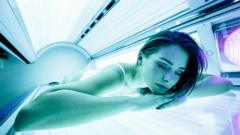
# MPs Call for Sunbed Advertising Ban to Combat Skin Cancer
A cross-party group of UK MPs has recommended banning sunbed advertising in a new report that identifies preventable causes behind most skin cancer cases. The lawmakers argue that stricter regulations on marketing could reduce harmful UV exposure among vulnerable populations.
The report reflects growing evidence that ultraviolet radiation from sunbeds carries real melanoma risk. Research consistently demonstrates that indoor tanning increases skin cancer odds, particularly among younger users whose skin remains more sensitive to damage. The International Agency for Research on Cancer (IARC) classifies sunbeds as Group 1 carcinogens—the same category as tobacco and asbestos.
Britain already restricts sunbed access under the Sunbeds (Regulation) Act 2010, which prohibits under-18s from using commercial tanning beds. However, the MPs' report identifies advertising as a loophole that continues promoting sunbeds despite known risks. Current regulations allow marketing that downplays UV dangers while emphasizing aesthetic benefits.
The committee's finding that most skin cancers remain preventable hinges on reducing unnecessary sun and sunbed exposure. Dermatologists recommend protecting skin through shade, protective clothing, and broad-spectrum SPF 30+ sunscreen applied generously and reapplied every two hours. These measures prevent both melanoma and non-melanoma skin cancers, which collectively affect hundreds of thousands of Britons annually.
The advertising ban proposal aligns with approaches used in other countries. Several European nations have implemented restrictions on sunbed promotion to curb usage rates, particularly among adolescents who face elevated lifetime cancer risk from early exposure.
This cross-party support suggests potential for legislative action. Banning sunbed advertising would remove a significant driver of tanning bed use without restricting consumer access, offering what lawmakers view as a proportionate public health intervention.