# The 9 Best Glucose Meters and Monitors, According to Testing and Experts
Managing blood sugar levels requires reliable tools. Glucose meters and continuous monitors have become standard equipment for people with diabetes, and choosing the right device matters for daily care and long-term health outcomes.
Prevention tested and evaluated nine glucose monitoring systems based on accuracy, ease of use, connectivity features, and cost. The analysis included both traditional fingerstick meters that provide single-point readings and continuous glucose monitors (CGMs) that track glucose levels throughout the day.
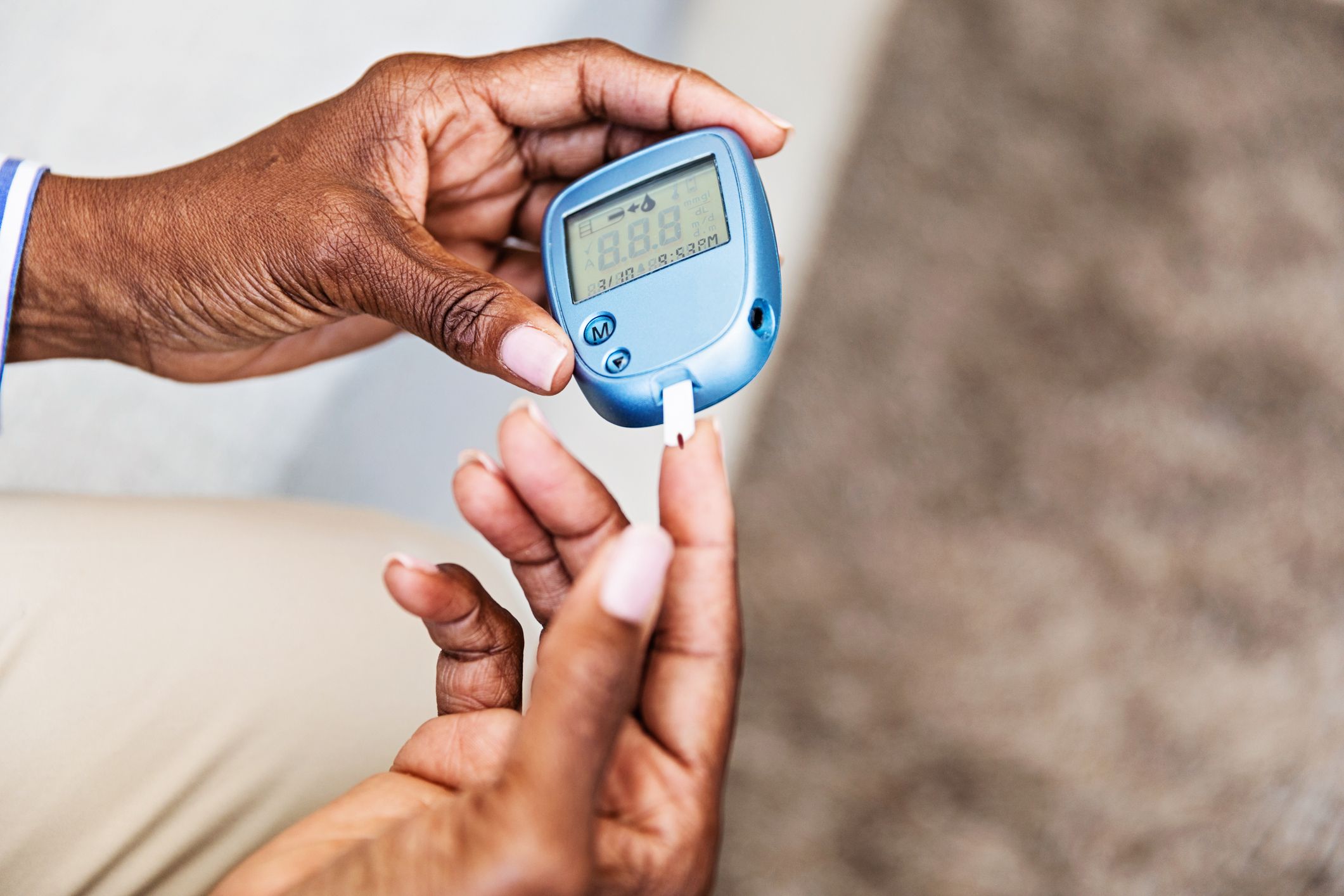
Traditional glucose meters remain the backbone of diabetes management for many people. These devices require a small blood sample from a finger prick and deliver results within seconds. Modern meters have become smaller, faster, and more user-friendly than earlier generations. Some connect to smartphone apps, allowing users to track trends over time and share data with healthcare providers.
Continuous glucose monitors represent a significant advancement in diabetes technology. These wearable sensors measure glucose levels in interstitial fluid every few minutes, giving users a comprehensive picture of how food, activity, stress, and medications affect their blood sugar. CGMs eliminate the need for frequent finger pricks and alert users to dangerous glucose trends before they become critical.
The choice between meters and monitors depends on individual needs. People newly diagnosed with type 2 diabetes often start with traditional meters. Those with type 1 diabetes or unstable blood sugar patterns typically benefit from CGMs. Insurance coverage, cost, and personal preference also influence decisions.
Accuracy remains the top priority. The FDA regulates glucose monitors to ensure they meet minimum accuracy standards. However, differences exist between devices. Testing reveals which systems perform most reliably across various glucose ranges.
For anyone managing diabetes, selecting a monitor that fits your lifestyle increases the likelihood you will use it consistently. Regular monitoring drives better health outcomes. Speaking with a diabetes educator or endocrinologist helps match the right device to