# Weight Loss Surgery Numbers Drop as GLP-1 Drugs Rise
Bariatric surgeries are becoming less common as glucagon-like peptide-1 (GLP-1) medications gain popularity among people seeking weight loss. This shift reflects a fundamental change in how Americans approach obesity treatment.
GLP-1 drugs like semaglutide and tirzepatide work by slowing stomach emptying and reducing hunger signals in the brain. They've proven effective for weight loss and carry lower immediate risks than surgery. Patients can start treatment without invasive procedures, making these medications an attractive first-line option for many.
However, this transition raises important questions about long-term outcomes and access. Bariatric surgery, including gastric bypass and gastric sleeve procedures, produces weight loss of 50 to 70 percent in many patients. GLP-1 medications typically result in 15 to 22 percent weight loss. Surgery also addresses certain obesity-related diseases more definitively than medications alone.
Cost and sustainability present challenges with GLP-1 treatment. Medications require ongoing use, with weight often returning if patients stop taking them. Monthly costs range from $900 to $1,500 without insurance coverage. Surgery, while expensive upfront, typically costs between $15,000 and $35,000 and delivers permanent anatomical changes.
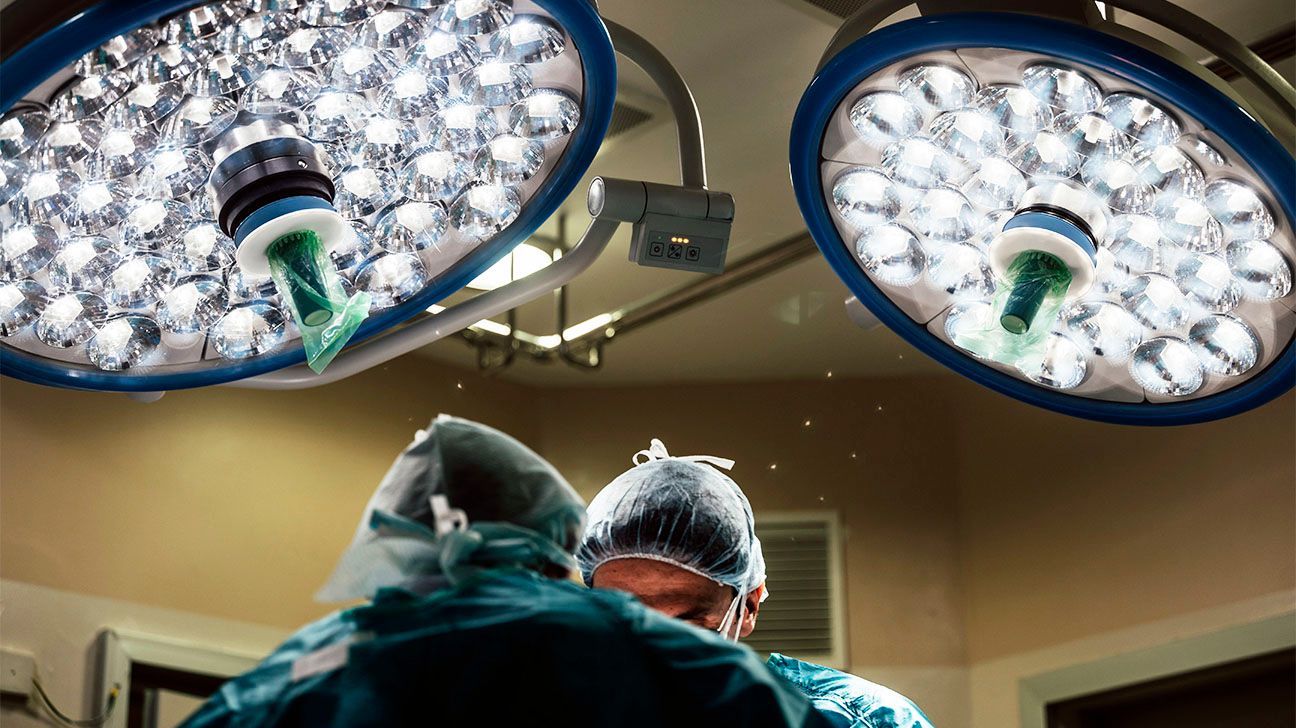
The decline in bariatric surgery has real consequences for surgeons and surgical training. Fewer procedures mean less experience for residents and fellows learning these techniques. Some programs may struggle to maintain expertise if volumes continue dropping.
For patients, this moment demands careful consideration. GLP-1 drugs work well for many people and offer a less invasive entry point. Those requiring more dramatic results or facing specific medical conditions may still benefit from surgery. The best choice depends on individual health status, weight loss goals, financial circumstances, and commitment