# Walking With Weight: Rucking Builds Strength Without the Gym
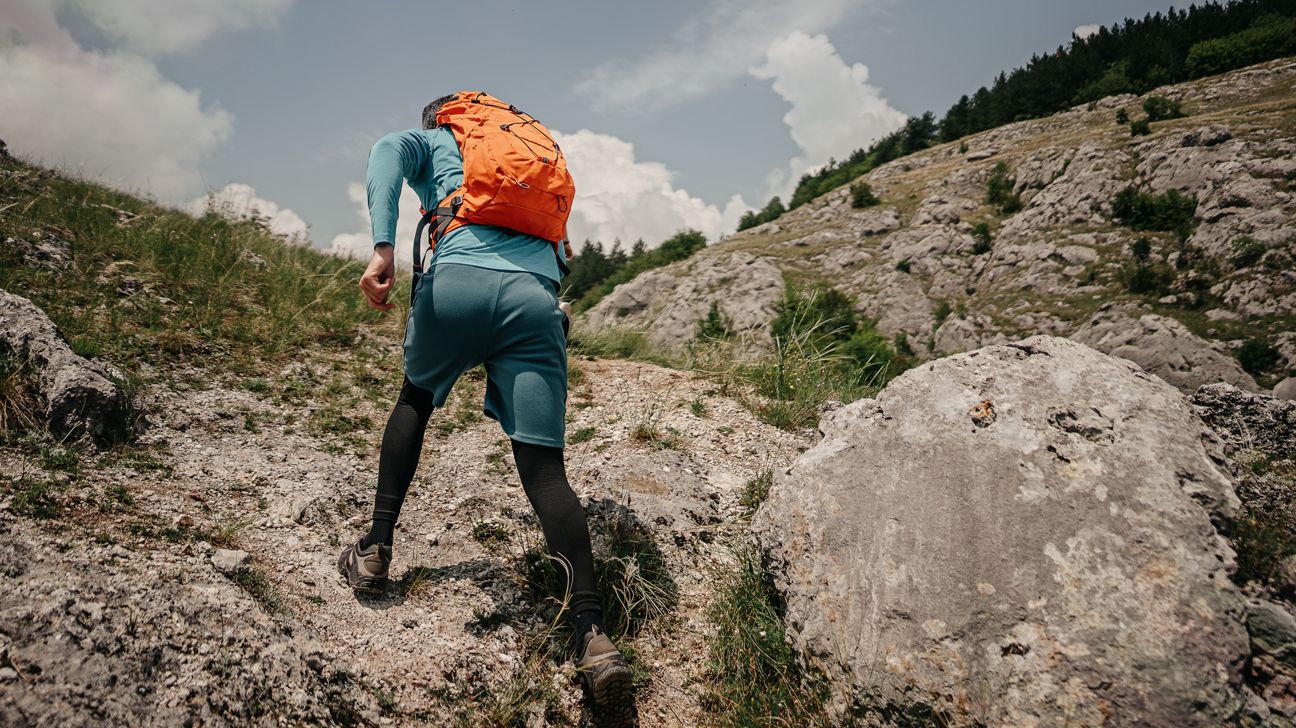
Rucking—walking with a weighted backpack—delivers measurable strength and endurance gains while torching calories, combining resistance training with cardiovascular work in a single activity. The practice transforms an ordinary walk into a full-body workout that engages muscles throughout the legs, core, and upper body.
The science backs this approach. Loading your frame during walking increases muscle activation and force production, similar to traditional strength training but without the joint stress of heavy barbell work. Your legs, glutes, and core work harder to stabilize the added weight, while your cardiovascular system adapts to the sustained effort.
Starting correctly matters. Beginners should begin with a backpack containing 10 to 15 percent of their body weight. A 150-pound person would start with 15 to 22 pounds, for example. Maintain proper form by keeping shoulders back, engaging your core, and walking with a natural stride. Poor posture while rucking can lead to lower back strain, so movement quality beats distance or speed.
Progress gradually. Add weight incrementally—perhaps 5 pounds every few weeks—as your body adapts. Similarly, extend walking distance slowly. This approach minimizes injury risk while building strength sustainably.
Rucking offers practical advantages over gym-based training. You need no membership or specialized equipment beyond a sturdy backpack. The activity fits into daily life easily. Walk the dog, push a stroller, run errands, or simply explore your neighborhood while building fitness. This integrates exercise into existing routines rather than demanding dedicated gym time.
The accessibility makes rucking particularly valuable for people with limited time or resources. An effective workout requires only a backpack and willingness to move. Research on loaded walking consistently shows improvements in leg strength, cardiovascular capacity, and body