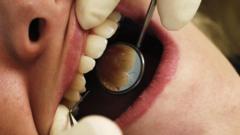
Patients at a Sydney dental clinic face potential exposure to serious bloodborne viruses including HIV and hepatitis B and C after authorities discovered significant lapses in infection control procedures. The New South Wales Health Department issued urgent guidance for approximately 1,000 patients to undergo testing following an investigation into the practice.
The clinic's infection control failures created direct pathways for viral transmission. Dental procedures involve contact with blood and saliva, making rigorous sterilization and safety protocols non-negotiable. When dentists and staff fail to follow established guidelines, they expose patients to real risk.
The poor practices likely included inadequate sterilization of dental instruments, improper handling of needles and sharps, and failure to use appropriate barriers like gloves and masks. These oversights transform routine procedures into potential transmission events. Bloodborne pathogens survive on surfaces and instruments for extended periods without proper decontamination.
Patients who received treatment during the relevant period face the most significant risk, though health authorities emphasize that transmission is not guaranteed. Testing remains essential because infections can take weeks or months to become detectable through standard blood tests. Early detection allows people to access treatment and prevent further transmission.
This case underscores why dental licensing boards maintain strict infection control standards. The Australian Dental Board investigates complaints and enforces requirements that protect public health. Individual practitioners who neglect these standards face disciplinary action.
Affected patients should schedule blood tests immediately and follow up with repeat testing at recommended intervals. Counseling services support individuals processing anxiety around potential exposure. Most people who test negative can return to normal health reassurance within a few months after their final negative test.
The incident highlights why patients benefit from verifying that their dentist maintains current certifications and follows published infection control protocols. Reputable practices display their standards openly and welcome questions about sterilization procedures.