# Heart Failure Patient Marries in ICU Days Before Lifesaving Surgery
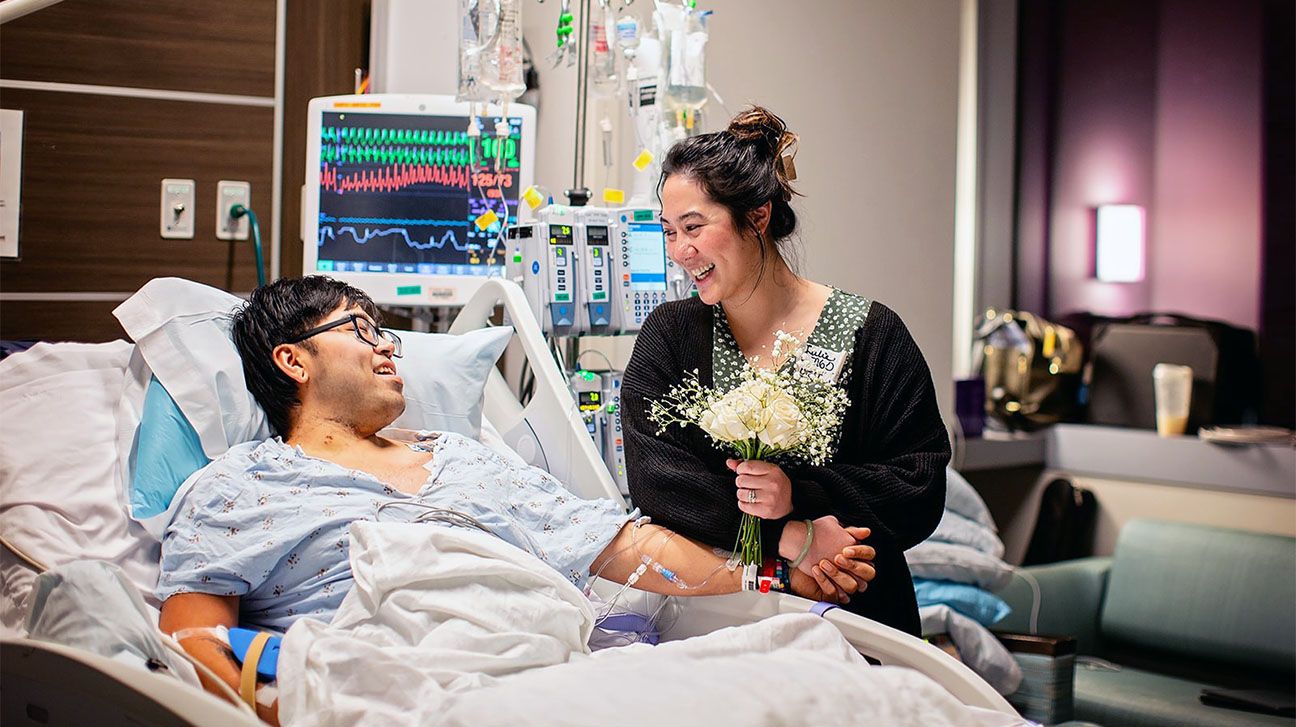
Daniel Phan faced a stark choice. Severe heart failure left him hospitalized and waiting for transplant surgery that could save his life. Instead of postponing his future, Phan and his girlfriend Julia decided to marry immediately, in his hospital bed.
The couple exchanged vows in the intensive care unit just days before Phan's operation. The wedding reflected their commitment to each other and their refusal to let his medical crisis delay what mattered most. Hospital staff facilitated the ceremony, transforming a clinical space into a moment of personal significance.
Phan's story illustrates the psychological dimensions of serious illness. Patients facing major health events often experience anxiety about survival, recovery timelines, and life milestones. The American Heart Association notes that heart failure affects roughly 6.2 million American adults. For many, the diagnosis disrupts plans and creates uncertainty about the future.
Medical teams increasingly recognize that supporting patients' emotional and relational needs improves overall outcomes. Research published in journals like Circulation shows that social connection and psychological well-being influence cardiovascular recovery. When patients feel supported and maintain meaningful relationships during illness, they often experience better mental health outcomes and engagement with treatment.
Phan's decision reflects a growing awareness among heart patients that life events need not wait for perfect health circumstances. The ICU wedding acknowledged both the gravity of his condition and the importance of living fully within it. By marrying before surgery, Phan and Julia affirmed their partnership during his most vulnerable moment.
The couple's approach resonates with palliative and cardiovascular care principles that prioritize patient autonomy and life quality. Hospital staff cooperation enabled a ceremony that honored personal values alongside medical necessity. For Phan, the marriage represented hope and commitment as he prepared for surgery. His story demonstrates that meaningful life experiences and medical