# Sleep Tracking May Worsen Insomnia, Research Shows
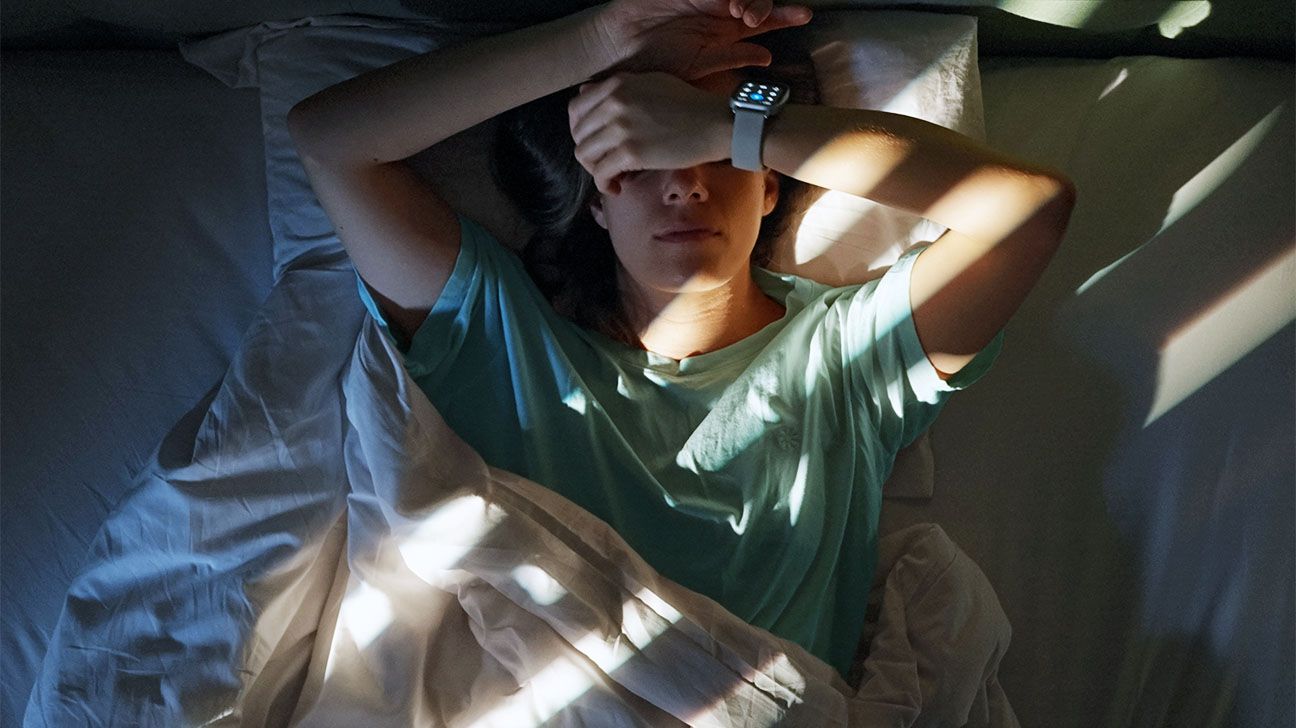
People with insomnia who obsessively monitor their sleep may actually make their condition worse. Sleep tracking devices and apps create a feedback loop that intensifies anxiety about sleep quality, leading to worse outcomes.
The problem stems from what sleep researchers call "performance anxiety." When insomniacs watch real-time data about their sleep patterns, they fixate on metrics like hours slept or number of awakenings. This constant monitoring triggers worry, which keeps the brain alert and prevents the relaxation needed for sleep. The tracking becomes counterproductive.
Sleep specialist Dr. Michael Breus explains that the brain interprets sleep monitoring as a threat. When someone with insomnia sees they've only slept four hours, the anxiety response activates the nervous system further, making sleep even more elusive. The device becomes a source of stress rather than a tool for improvement.
Research on sleep tracking reveals that people without sleep disorders benefit from monitoring their patterns. They gain useful insights into how lifestyle factors affect rest. But those with chronic insomnia face a different dynamic. Their brains are already hypervigilant about sleep, and adding quantified data amplifies this hyperawareness.
The solution involves reframing the relationship with sleep data. Insomnia specialists recommend that people with sleep disorders avoid nightly monitoring. Instead, they should track sleep weekly or monthly to identify broad patterns without feeding daily anxiety spirals.
Cognitive behavioral therapy for insomnia, or CBT-I, remains the gold standard treatment. This approach teaches people to reduce the mental effort devoted to sleep. The goal involves paradoxically accepting poor sleep while building better habits over time.
For people with insomnia, putting away the sleep tracker often works better than checking it obsessively. Breaking the monitoring habit removes the anxiety trigger that perpetuates sleepless nights.