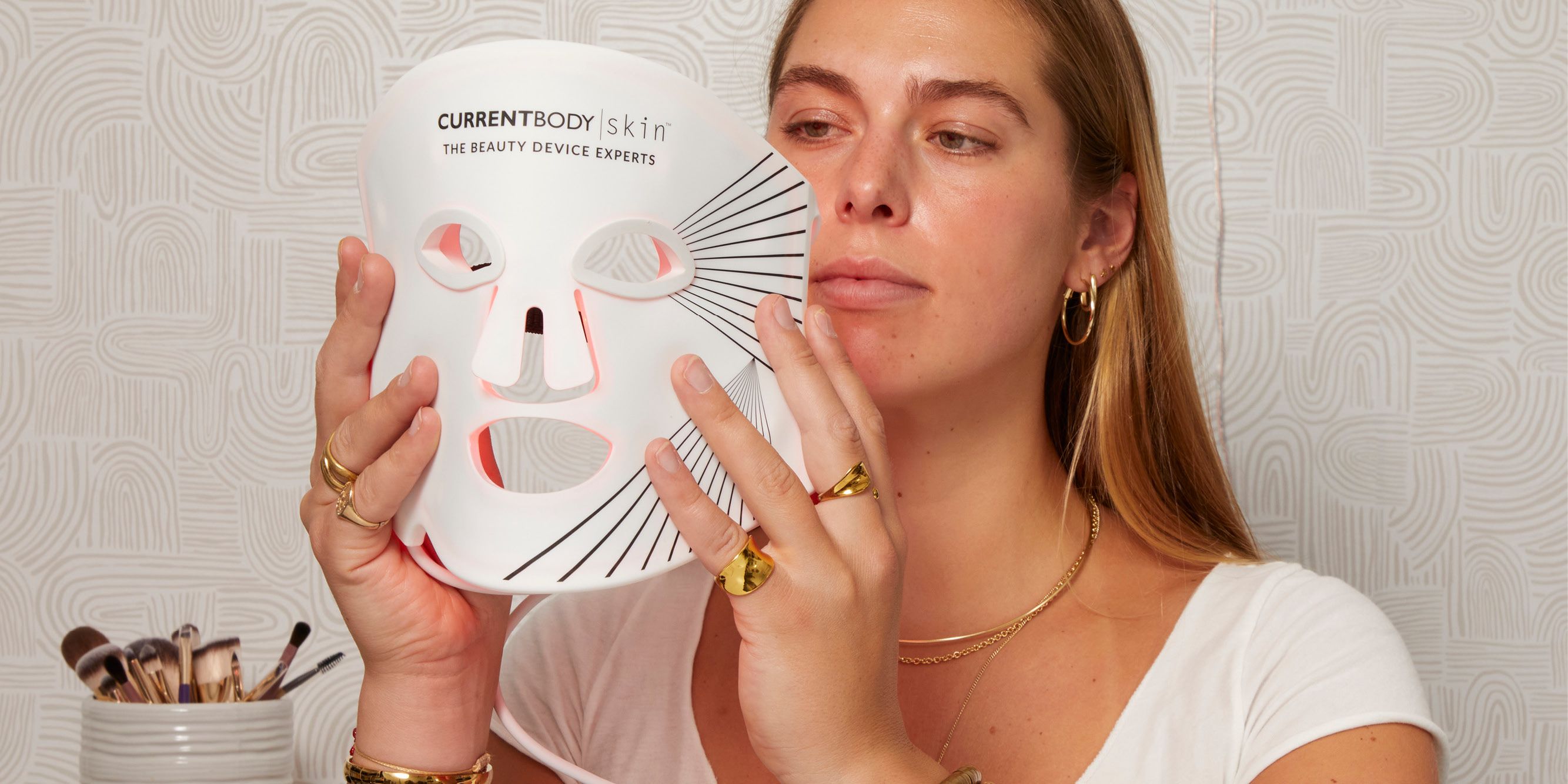
LED face masks have moved beyond gimmick territory into dermatologist-backed skincare tools. The technology uses specific wavelengths of light to trigger cellular changes in skin, and board-certified dermatologists now recognize legitimate benefits for acne, inflammation, and collagen production.
The top-performing masks tested include options from Therabody, Omnilux, and CurrentBody. Dermatologists note that red light (typically 630 nanometers) stimulates collagen synthesis and reduces inflammation, while blue light (around 415 nanometers) targets acne-causing bacteria. Some masks combine both wavelengths for comprehensive treatment.
What makes these devices work comes down to photobiomodulation, the process where light energy penetrates skin layers and activates mitochondrial function. Studies show consistent use produces measurable improvements in fine lines and breakout severity within 4-12 weeks. The masks deliver this technology at home without the cost of in-office LED treatments.
Beauty editors emphasized practical factors beyond science. Fit matters considerably, since light needs direct contact with skin to be effective. Comfort during the 10-20 minute sessions determines whether users stick with treatment. Battery life, app controls, and heating functions distinguish premium options from basic models.
Dermatologists recommend starting with 3-4 sessions weekly for acne or inflammation. Those using masks for anti-aging benefits see better results with consistent daily use. The technology works best alongside a solid skincare routine rather than as a standalone treatment.
One important caveat: results vary based on skin type and baseline skin condition. People with certain medications that increase photosensitivity should consult their dermatologist first. Those with active skin infections or severe rosacea may find LED therapy irritating.
The masks tested proved safe for most skin types when used as directed. Unlike many beauty gadgets, LED masks