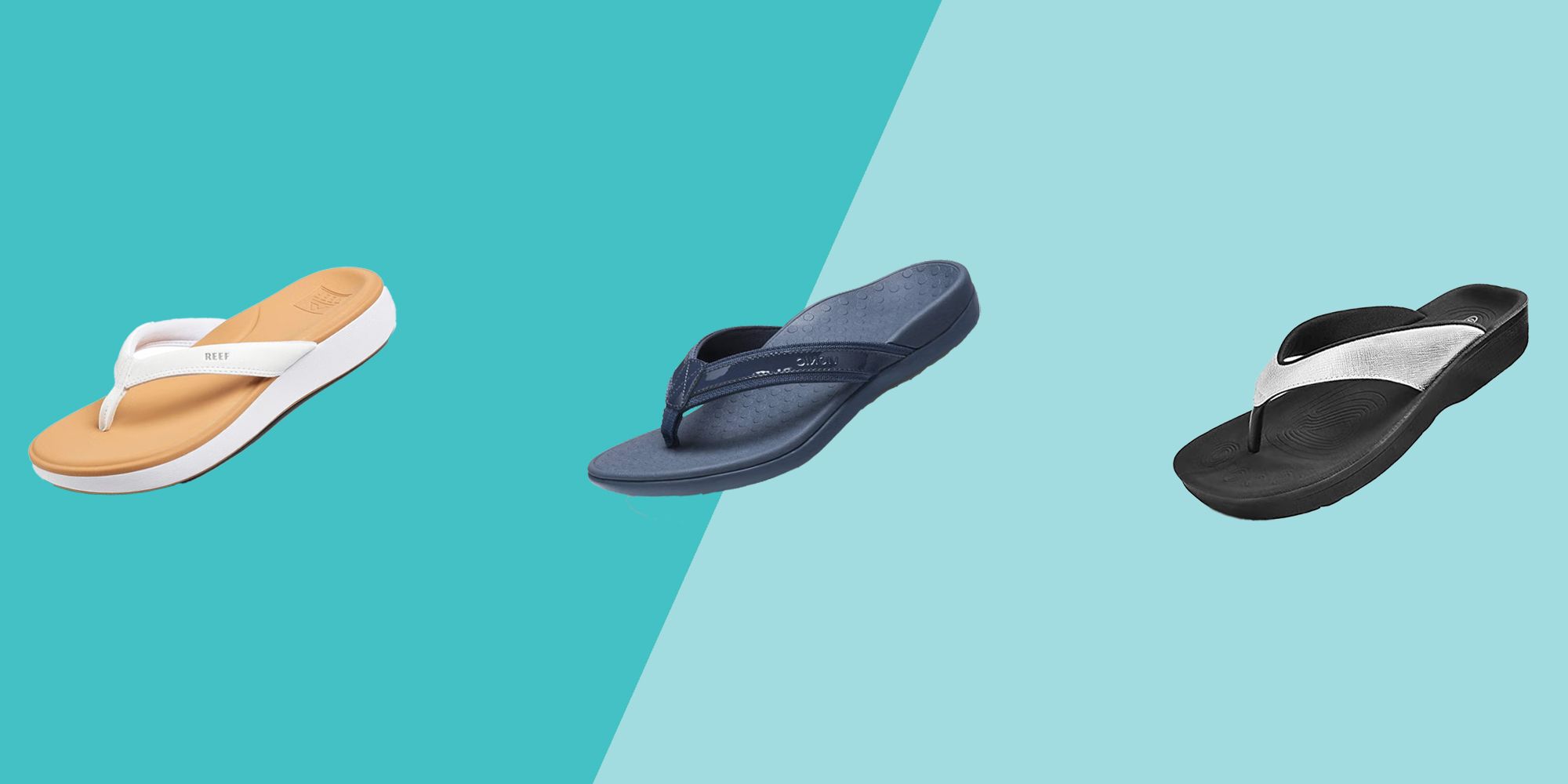
Podiatrists recommend specific flip-flop designs that protect feet from common pain conditions. Plantar fasciitis, a painful inflammation of the tissue running along the bottom of the foot, affects millions of people annually. Wearing unsupportive footwear exacerbates this condition and others like heel pain and arch strain.
The best supportive flip-flops share key features that podiatrists prioritize. Arch support prevents the foot from rolling inward or outward excessively, reducing strain on plantar fascia tissue. Cushioning in the heel and ball of the foot absorbs impact and distributes pressure evenly. A contoured footbed mimics the foot's natural shape rather than forcing it into a flat, unsupported surface.
Podiatrists distinguish between casual flip-flops and therapeutic options. Casual supportive styles work for everyday wear around the house or running errands. Therapeutic versions, often prescribed for active plantar fasciitis, provide maximum support for extended use. Materials matter too. Dense foam and orthotic-grade insoles maintain their shape longer than soft, compressible materials that flatten quickly.
Foot pain specialists also emphasize gradual transitions. People accustomed to unsupportive footwear may experience initial discomfort when switching to arch-supporting styles. This typically resolves within days as foot muscles adjust to proper alignment. Consistency matters. Wearing supportive flip-flops throughout the day, rather than switching between unsupported and supported shoes, prevents pain from recurring.
Prevention Magazine's roundup identifies ten specific models meeting podiatrist standards. Each option balances comfort, durability, and style considerations. Recommendations span price points, from budget-friendly options to premium orthopedic brands.
Foot health specialists stress that the right flip-flops prevent problems rather than just treating them. People without foot pain who wear