# Eccentric Exercise Builds Muscle More Efficiently Than Standard Strength Training
Eccentric exercise, which focuses on the lengthening phase of a muscle contraction, produces muscle growth with less overall effort than traditional strength training. Research shows this approach delivers results while reducing injury risk and time commitment.
During eccentric movement, muscles lengthen under tension. Think of lowering a weight slowly rather than lifting it. This phase creates greater muscle fiber damage and stimulates more growth hormone release than the lifting phase alone. Studies demonstrate that eccentric training generates 20 to 30 percent more strength gains per unit of work compared to conventional resistance training.
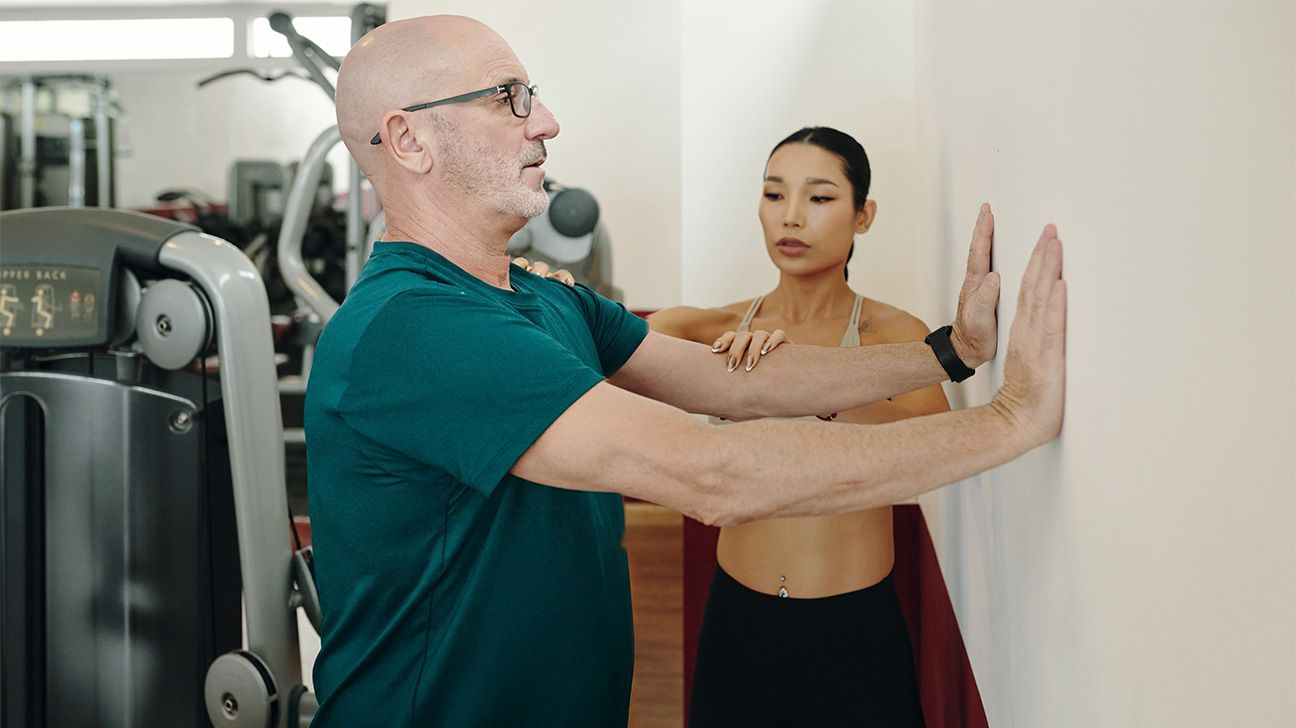
The practical advantage matters for time-pressed exercisers and older adults. Research published in sports medicine journals shows that eccentric protocols require shorter workout sessions while maintaining muscle-building results. A person doing wall push-ups with extended lowering phases, for example, achieves comparable muscle development to multiple sets of standard push-ups.
Lower injury rates accompany this efficiency. Because eccentric training uses lighter loads to create comparable stimulus, joint stress decreases. This makes the approach valuable for people managing arthritis, recovering from injury, or dealing with age-related strength loss.
The mechanism works through several pathways. Eccentric contractions activate more muscle fibers simultaneously and trigger greater metabolic stress. They also produce more inflammation in targeted muscles, which signals adaptation and growth.
Practical application includes simple modifications. Slow down the descent when lifting weights. Take three to four seconds lowering a dumbbell. Use wall variations of exercises like push-ups or squats. Even bodyweight movements become more powerful when you emphasize the lengthening phase.
Eccentric training works best as part of a complete program rather than alone. Combining it with lighter concentric (shortening) work optimizes results. Two to three sessions weekly prevents overuse while allowing recovery.