Fructose, a simple sugar abundant in ultra-processed foods, may drive obesity and metabolic disease through distinct biological pathways that differ from how the body processes other sugars.
Recent research reveals that fructose metabolism operates differently than glucose metabolism. When you consume fructose, your liver processes it directly, bypassing the normal metabolic checkpoints that typically regulate appetite and energy balance. This pathway allows fructose to be converted into fat more readily than other sugars, potentially contributing to fatty liver disease and metabolic dysfunction.
The concern centers on added fructose in processed foods. High-fructose corn syrup and table sugar (which contains 50 percent fructose) appear in countless packaged items, from soft drinks to yogurts to condiments. Unlike glucose, fructose doesn't trigger the same satiety signals in your brain, meaning you may feel less full after consuming it. This neurological difference can lead to overconsumption.
Studies examining fructose's effects have documented increases in visceral fat accumulation, insulin resistance, and triglyceride levels in people who consume high amounts of added fructose. The sugar appears to promote metabolic inflammation, a low-grade inflammatory state linked to obesity and type 2 diabetes.
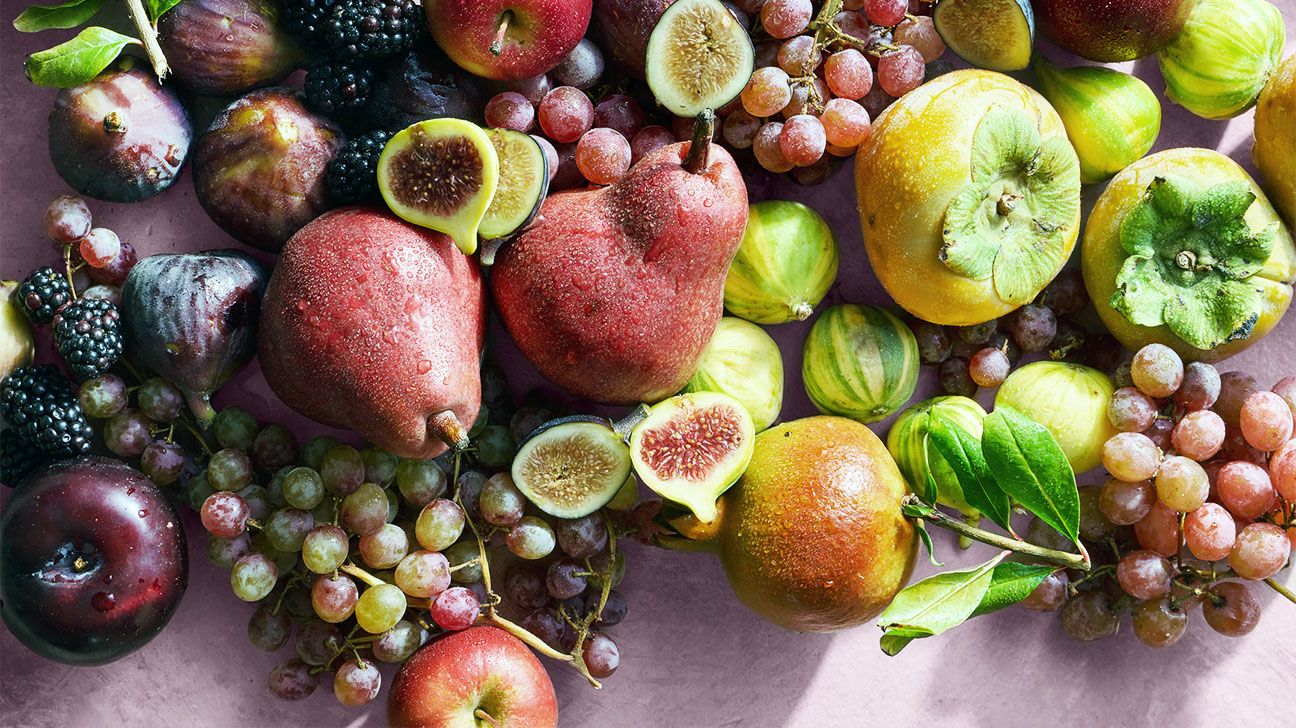
The distinction matters because fruit fructose differs from added fructose in processed foods. Whole fruits contain fiber, water, and nutrients that slow absorption and promote satiety. The fructose in an apple comes packaged with compounds that moderate its metabolic impact. Added fructose in beverages and processed snacks reaches your system rapidly without these protective factors.
Reducing ultra-processed food consumption naturally lowers added fructose intake. Reading labels for high-fructose corn syrup and limiting sugary beverages provides practical protection. Choosing whole fruits, legumes, and whole grains supports metabolic health while satisf