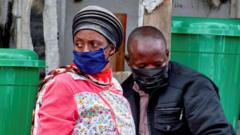
The World Health Organization elevated its risk assessment for Ebola transmission in the Democratic Republic of Congo to "very high," citing concerns about outbreak spread within the central African nation and across its borders.
The UN health agency maintains that global risk remains low. However, the regional threat extends beyond the DRC itself. Neighboring countries face elevated exposure given porous borders and population movement between nations.
DR Congo battles recurring Ebola outbreaks rooted in the virus's persistent presence in animal reservoirs and healthcare transmission chains. The current assessment reflects both the transmissibility of the virus and gaps in disease surveillance and response capacity in the region.
Health authorities focus containment efforts on rapid case detection, isolation of infected individuals, and vaccination of healthcare workers and high-risk contacts. The strategic use of Ebola vaccines has proven effective in previous outbreaks, though vaccine supply and equitable distribution remain logistical challenges.
The WHO's tiered risk framework helps nations prepare resources and coordinate responses. A "very high" regional rating prompts neighboring countries to strengthen border surveillance, train rapid response teams, and stockpile medical supplies. It signals urgency without triggering widespread panic, allowing public health systems to operate at heightened readiness.
Ebola's fatality rate ranges from 25 to 90 percent depending on the virus strain and access to supportive care. Early recognition of symptoms like fever, muscle pain, and bleeding significantly improves survival odds. Patients require immediate hospitalization, aggressive fluid replacement, and organ support.
Previous DRC outbreaks taught health officials that community trust determines response success. Misinformation about disease prevention fuels dangerous practices. Education campaigns emphasizing hand hygiene, safe burial practices, and symptom awareness help break transmission chains.
The current assessment underscores the region's vulnerability while affirming that international travel restrictions remain unnecessary at present. Global surveillance systems monitor for any cases outside Africa