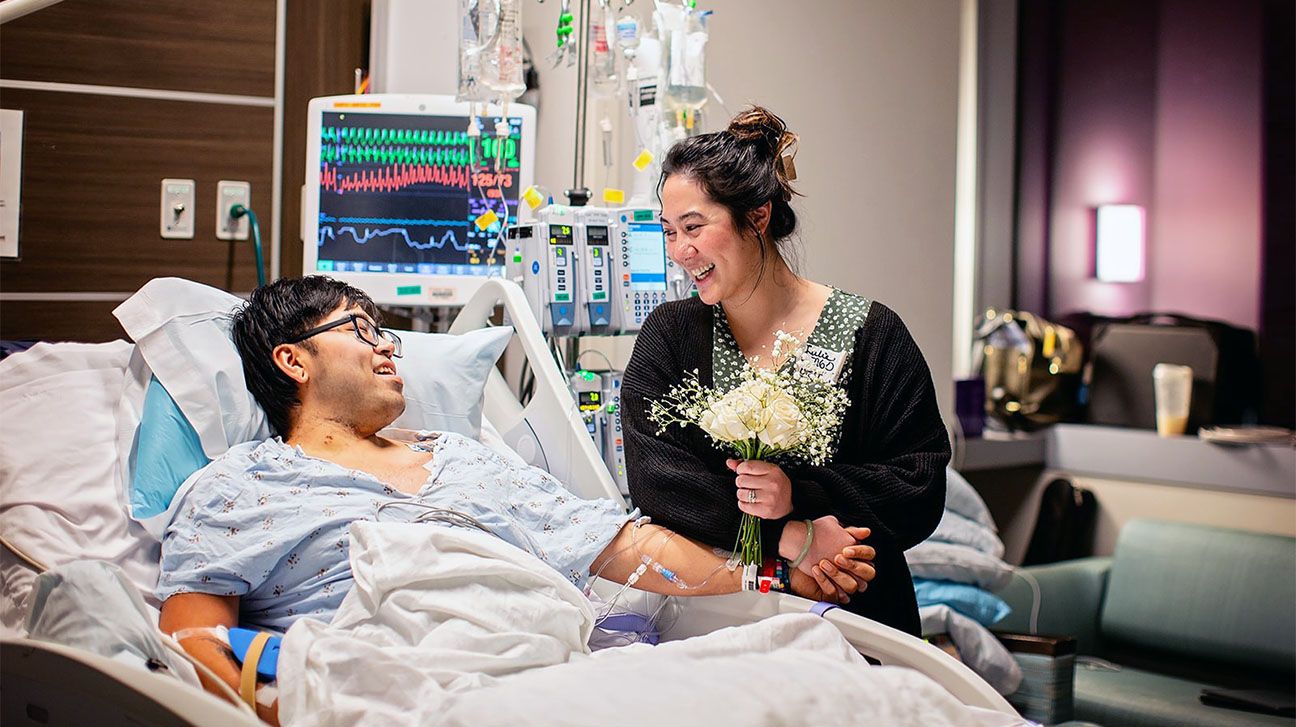
Daniel Phan faced a stark choice. His heart was failing, and surgery loomed days away. He and his girlfriend Julia made an unconventional decision: marry in the ICU before the operation.
Phan's condition had deteriorated to the point where he required intensive care and monitoring. Doctors told him that lifesaving heart surgery was imminent. Rather than wait for recovery or postpone their commitment, the couple chose to marry while he remained hospitalized, surrounded by medical equipment and staff.
The decision reflects a growing reality in modern medicine. Patients with serious cardiac conditions often spend weeks or months in intensive care settings before and after major procedures. For some, the uncertainty of outcomes makes waiting feel unacceptable.
Heart failure affects millions of Americans each year. The condition occurs when the heart cannot pump blood effectively to meet the body's needs. Symptoms include shortness of breath, fatigue, and fluid buildup. Surgical interventions, when appropriate, can restore function or replace damaged tissue.
The couple's choice raises questions about how hospitals balance patient autonomy with clinical care. Most ICUs have policies allowing visitors and, in some cases, accommodating special requests like marriages. Staff members recognized the emotional needs alongside medical ones.
Phan's willingness to proceed with surgery after his wedding ceremony suggests both determination and hope. Many cardiac patients report that emotional support from family and loved ones contributes to better psychological outcomes during recovery. Marriage vows exchanged in a hospital room carry the same legal weight as those in a chapel.
The story underscores how people navigate life's milestones within medical constraints. Rather than treating his condition as an obstacle to his plans, Phan adapted his timeline. His partnership with Julia became official in an unconventional setting, demonstrating that commitment transcends location.
His experience will likely resonate with other patients facing serious diagnoses. It shows that clinical settings need