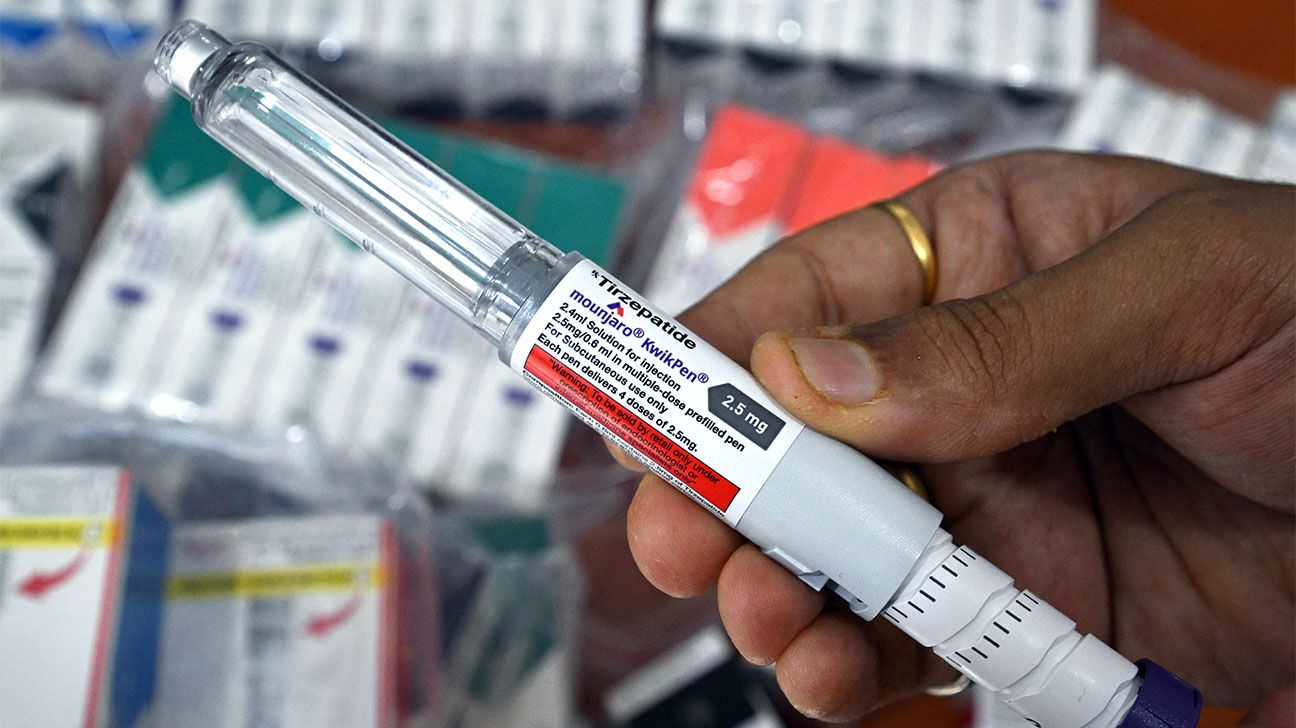
Tirzepatide, the active ingredient in the diabetes drug Mounjaro and weight-loss medication Zepbound, reduced death risk by 38 percent in people with heart failure, according to new research presented at the American Heart Association Scientific Sessions.
The study examined 3,558 people with heart failure and obesity who received tirzepatide or a placebo over roughly 18 months. Researchers found that tirzepatide lowered the risk of death from any cause. The drug also reduced hospitalizations related to heart failure by 21 percent compared to placebo.
These results extend beyond weight loss alone. While tirzepatide users lost an average of 22 percent of their body weight, the cardiovascular benefits persisted even when accounting for weight reduction. This suggests the medication works through multiple biological pathways to protect the heart.
Tirzepatide belongs to a class of drugs called GLP-1 receptor agonists. It mimics glucagon-like peptide-1, a hormone that regulates blood sugar and appetite. The drug also activates GIP receptors, which may provide additional heart protection.
Heart failure affects roughly 6.2 million American adults. People with obesity face higher risks for developing heart failure. Standard treatments include diuretics, ACE inhibitors, and beta-blockers, but adding tirzepatide to existing regimens showed benefits in this trial.
The findings matter for several reasons. People with heart failure often struggle with both weight and declining heart function. Tirzepatide offers a single medication addressing both conditions. The 38 percent mortality reduction ranks among the most substantial improvements seen with newer heart failure treatments.
Researchers noted that side effects included gastrointestinal issues common to GLP-1 drugs, such as nausea and vomiting. These typically improve over time as bodies adjust to the medication