# Common House Spiders: What Entomologists Say You Should Know
Finding a spider in your home triggers panic for many people, but entomologists want you to know that most household spiders pose no threat to you. Understanding which species live in your house and how to identify them removes fear and helps you coexist peacefully with these arthropods.
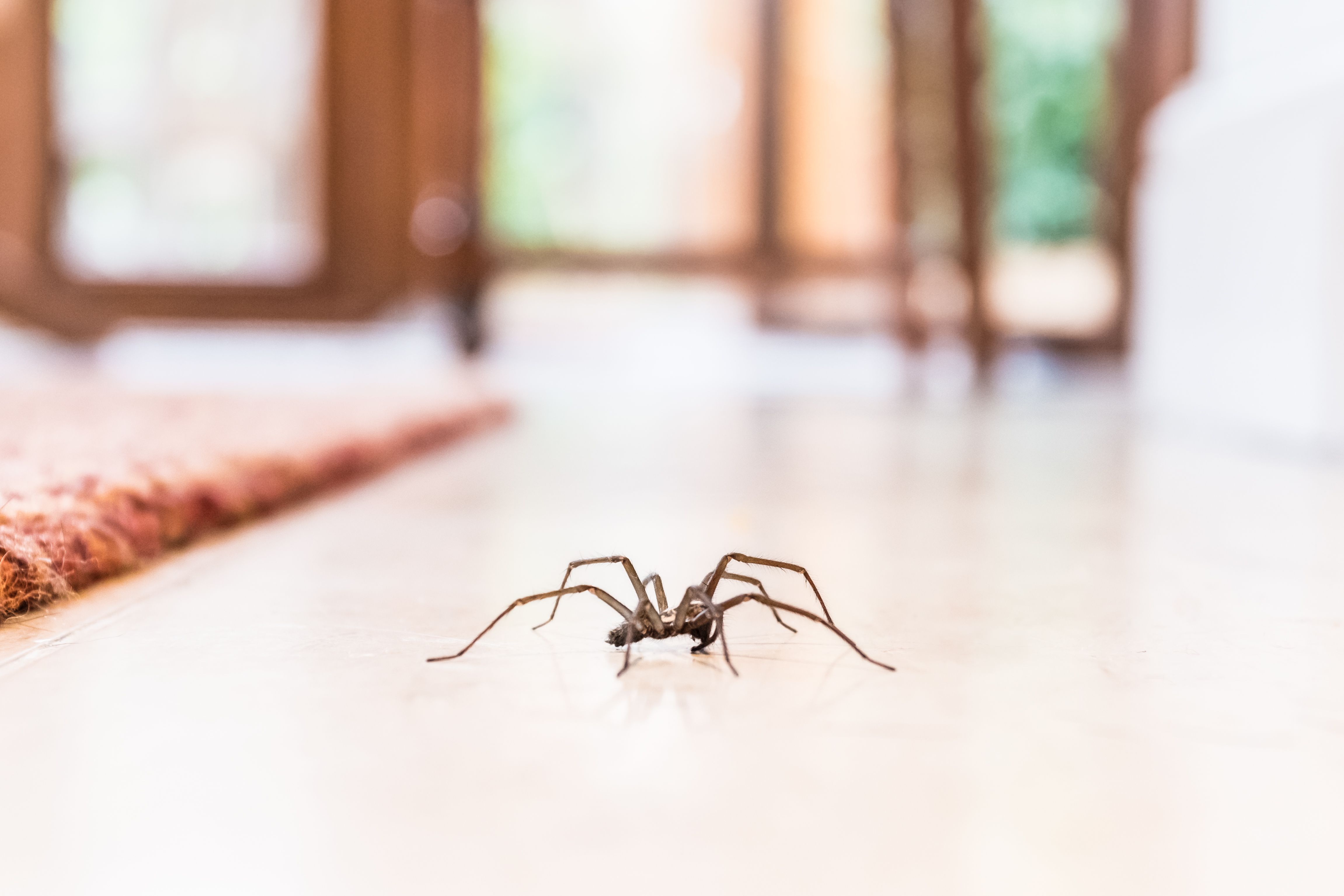
The most common house spiders include jumping spiders, wolf spiders, and cellar spiders, according to entomology research. Jumping spiders have compact bodies and forward-facing eyes that give them exceptional vision. Wolf spiders are larger with brown or gray coloring and fast movement. Cellar spiders, often called daddy longlegs, have extremely long, thin legs and small bodies.
Other frequent indoor visitors include orb-weaver spiders, which spin circular webs, and cobweb spiders, which create irregular webs in corners and crevices. Brown recluse and black widow spiders appear in homes too, though they're far less common than most people believe.
Regarding bites, the reality differs dramatically from popular perception. Nearly all house spiders lack fangs large enough to penetrate human skin. Even spiders capable of biting rarely do unless directly threatened or crushed. Brown recluse bites can cause localized tissue damage, and black widow bites contain venom, but both spiders actively avoid human contact and bites remain rare.
Most "spider bite" diagnoses actually stem from other causes like skin infections, allergies, or insect bites. Dermatologists frequently encounter patients convinced they've been bitten by spiders when other explanations fit better.
Rather than killing house spiders, experts recommend letting them stay. Spiders control populations of mosquitoes, flies, and other household pests. A single spider consumes dozens of insects weekly. They ask