# Menopause: Plant-Forward Diets Can Help With Weight Management
Weight gain during menopause affects most women as hormonal shifts slow metabolism and alter fat distribution. Plant-forward diets offer a practical solution to this challenge, research shows.
The drop in estrogen during menopause reduces the number of calories a woman's body burns at rest. This metabolic slowdown occurs even when activity levels and eating patterns remain unchanged. Women typically gain five to eight pounds during the menopausal transition, with fat accumulating around the midsection.
Plant-forward eating addresses this through several mechanisms. Whole plant foods contain fiber, which increases satiety and reduces overall calorie intake without requiring restriction. Vegetables, fruits, legumes, and whole grains also have lower calorie density than animal products, meaning women eat larger portions with fewer calories. These foods stabilize blood sugar, reducing the cravings and energy crashes that often drive weight gain during menopause.
Research supports this approach. Studies published in nutrition journals demonstrate that women following plant-based or plant-forward diets maintain more stable weights during menopause compared to those eating standard Western diets. The diets also improve cholesterol levels and reduce inflammation, which rises during menopause and increases cardiovascular disease risk.
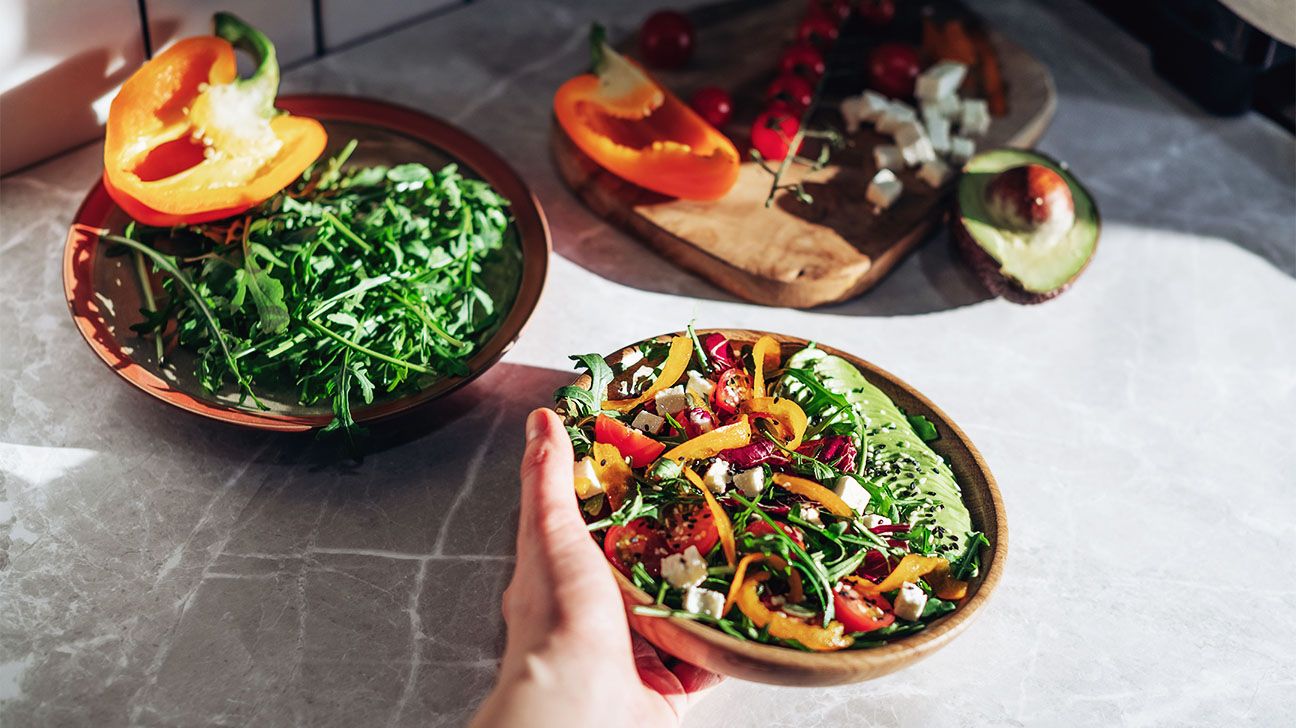
A plant-forward diet doesn't require eliminating animal products entirely. Women can include fish, poultry, dairy, or eggs while prioritizing plant foods. This flexibility makes the approach sustainable long-term. The key involves making plants the foundation of each meal, with animal products as smaller components.
Practical steps include filling half the plate with vegetables, choosing whole grains over refined carbohydrates, and incorporating legumes into meals three to four times weekly. These changes work alongside exercise and strength training, which becomes increasingly important during menopause to preserve muscle mass and bone density.
Women navigating menop