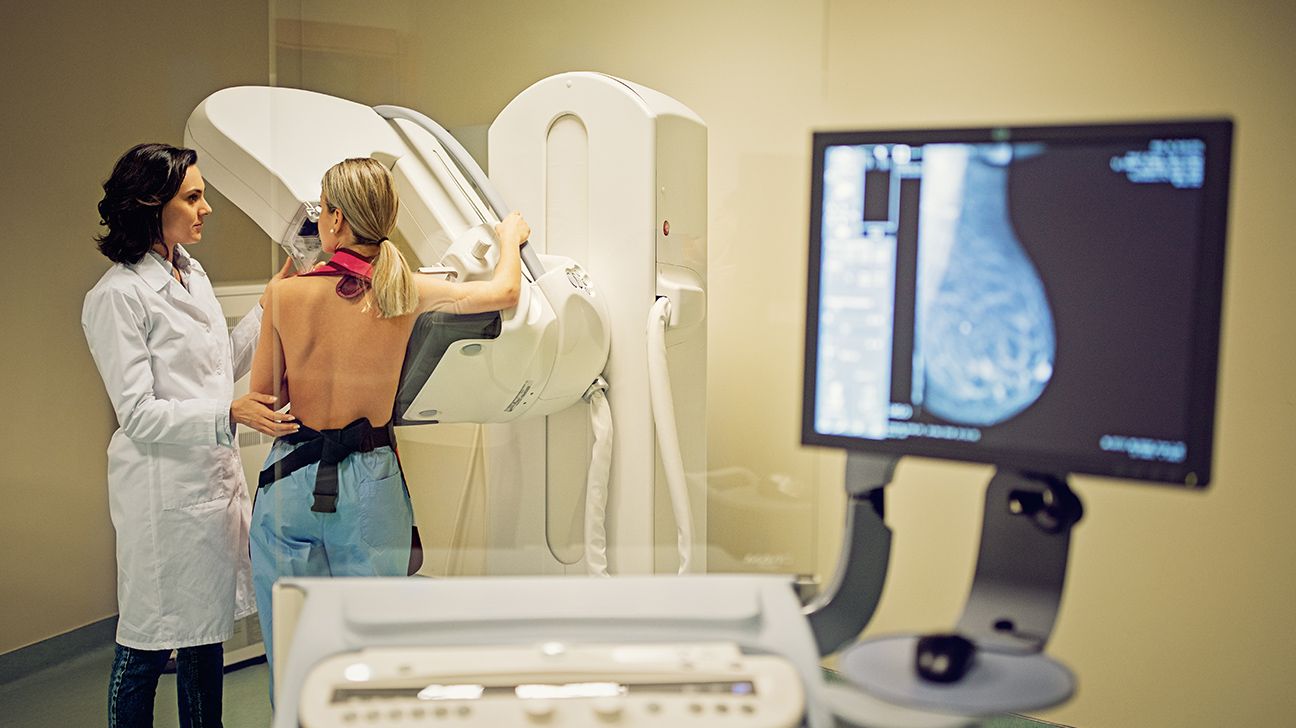
Researchers have developed a new treatment approach for high breast density that appears to reduce cancer risk while causing fewer side effects than existing options.
High breast density, where breast tissue contains more glandular and fibrous tissue relative to fat, increases the risk of breast cancer and makes mammograms harder to read. Women with dense breasts have a 1.2 to 2 times higher risk of developing breast cancer compared to those with fatty tissue.
The new treatment focuses on reducing breast density through a targeted approach that avoids the systemic side effects associated with hormone-based interventions like tamoxifen or aromatase inhibitors. These traditional options carry risks including blood clots, endometrial cancer, and joint pain, limiting their use in asymptomatic women with high density alone.
Early findings suggest this localized intervention lowers breast density significantly while maintaining better tolerability. Women in preliminary studies experienced minimal adverse effects, making it potentially suitable for broader populations seeking preventive strategies.
The development addresses a critical gap in breast health management. Approximately 40 to 50 percent of women over 40 have dense breasts, yet treatment options remain limited. Doctors typically recommend increased screening with supplemental imaging like ultrasound or MRI rather than preventive medications, since traditional drugs carry too many risks for asymptomatic women.
This new approach could shift clinical practice by offering women with high density a preventive option without the burden of systemic side effects. However, researchers emphasize that more data from larger clinical trials is needed before widespread implementation.
For women with dense breasts, discussing screening options and risk factors with a healthcare provider remains essential. Supplemental imaging beyond standard mammography can improve cancer detection rates by 15 to 20 percent in dense breast tissue. As this treatment advances through testing, it may eventually provide another tool in the preventive arsenal for women at higher risk.