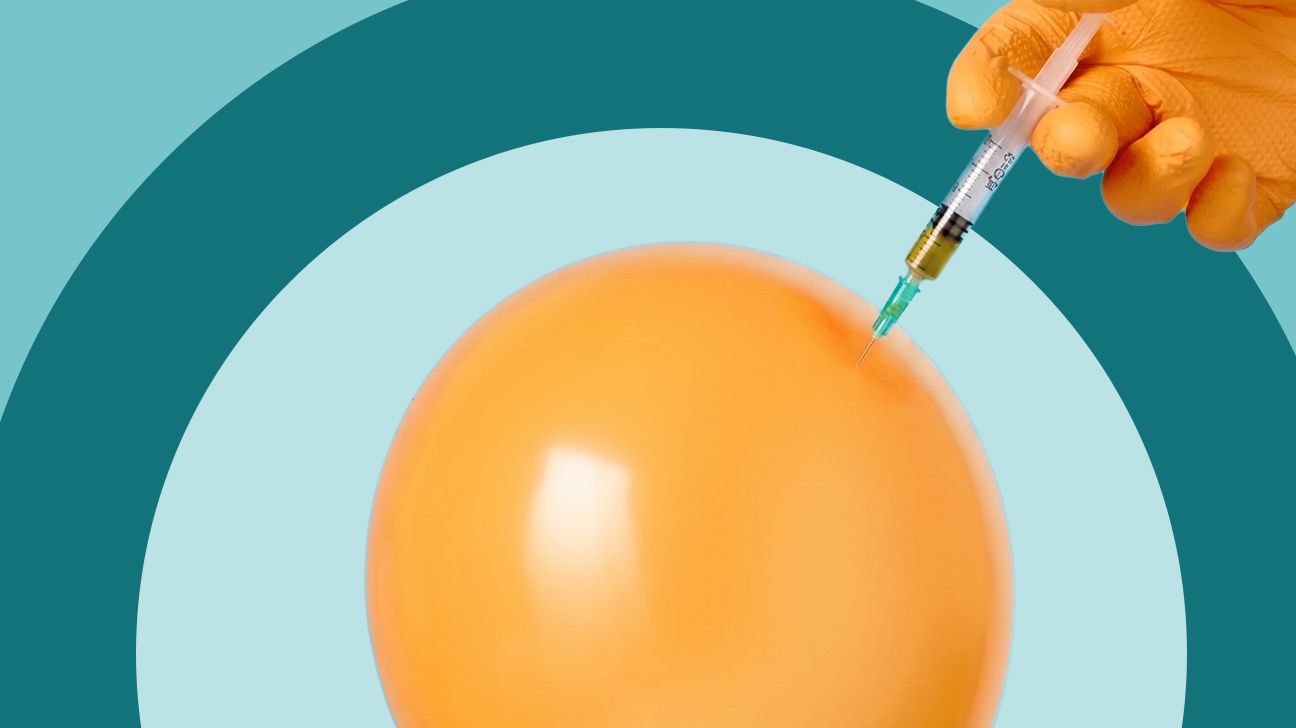
Ballmaxxing, a body modification trend involving saline injections to create temporary balloon-like swelling in various body parts, carries serious health risks that extend far beyond cosmetic concerns.
The practice involves injecting saline solution subcutaneously to produce dramatic swelling effects, often in the face, chest, or extremities. People typically perform these injections at home or in unregulated settings without medical supervision, using non-sterile equipment and untrained practitioners.
Medical professionals warn that ballmaxxing creates multiple injury pathways. Infection represents the primary risk. Non-sterile needles and solutions introduce bacteria directly into tissue, potentially causing cellulitis, abscesses, or systemic infections that require hospitalization. The saline itself can cause fluid imbalances if absorbed rapidly or distributed unevenly.
Nerve and blood vessel damage occurs frequently during improper injection. Injectors may lack anatomical knowledge, striking nerves that cause permanent numbness or chronic pain, or puncturing blood vessels that result in hematomas. Tissue necrosis, where tissue dies from lack of blood flow, can develop days after injection.
Allergic reactions to injection materials pose additional danger. While saline alone causes few allergies, contaminated solutions or additives trigger severe reactions ranging from local swelling to anaphylaxis.
The swelling itself creates mechanical problems. Extreme fluid accumulation can compress airways, restrict movement, or damage underlying structures. Repeated injections in the same area scar tissue, creating hardened areas resistant to normal healing.
Emergency room physicians report treating ballmaxxing injuries with increasing frequency. Patients often arrive with advancing infections or complications they delayed reporting due to embarrassment or fear of legal consequences for unregulated procedures.
Health authorities emphasize that temporary cosmetic effects never justify these permanent injury risks. The trend preys on body image insecurity by offering