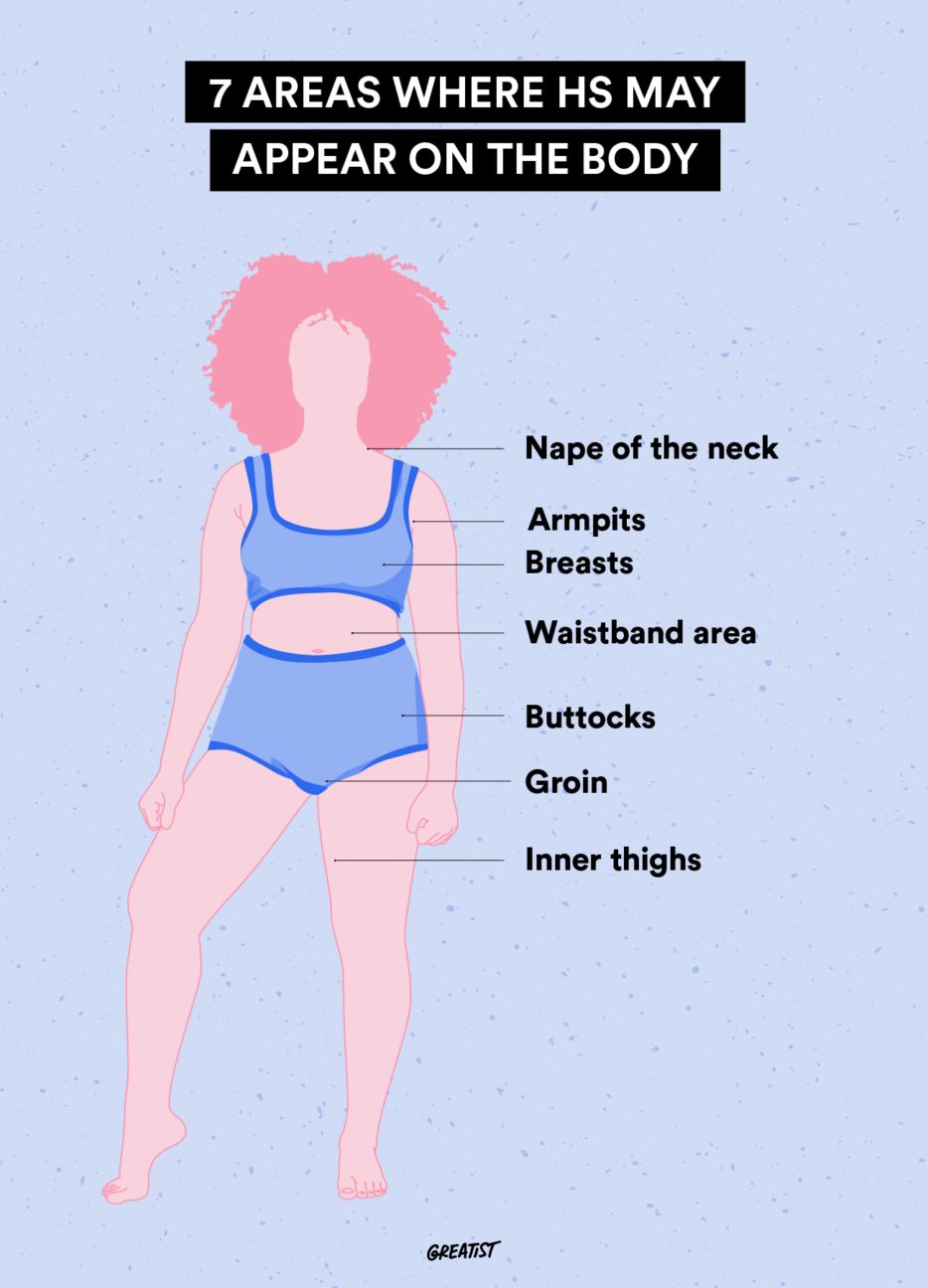
Hidradenitis suppurativa (HS) is a chronic skin condition that creates painful, boil-like lesions in specific body areas. The condition affects hair follicles and apocrine glands, the sweat glands concentrated in skin folds and areas prone to friction.
HS appears most commonly in seven locations. The underarms rank as the most frequent site, followed by the groin, inner thighs, buttocks, breasts, nape of the neck, and waistband area. These locations share a common feature: they experience significant moisture, heat, and friction from skin-on-skin contact or clothing rubbing.
The condition itself is not an infection, though the lesions can become inflamed and infected, causing considerable pain and discomfort. Dermatologists classify HS as progressive, meaning it tends to worsen over time without proper management.
Friction appears to play a triggering role in flare-ups. Tight clothing, excessive sweating, and skin-to-skin rubbing in vulnerable areas can prompt new lesions or aggravate existing ones. This explains why HS concentrates in body regions with both moisture and mechanical stress.
The underlying causes remain incompletely understood. Genetic factors appear involved, as HS often runs in families. Hormonal fluctuations and environmental triggers also contribute. These multiple factors suggest HS develops from a combination of inherited predisposition and external conditions rather than a single cause.
Early recognition matters because HS responds better to intervention when caught early. Individuals noticing recurrent, painful lumps in these typical locations should consult a dermatologist. A specialist can differentiate HS from other skin conditions and recommend targeted treatments ranging from topical therapies to systemic medications or surgical options in severe cases.
Living with HS requires both medical support and lifestyle adjustments. Choosing breathable