# Finding the Right Cross-Training Shoe for Your Workout
Cross-training shoes need to handle multiple demands. You might jump, pivot, lift, or run on the same pair during a single gym session. The wrong shoe leaves you vulnerable to injury. The right one keeps your foot stable across all those movements.
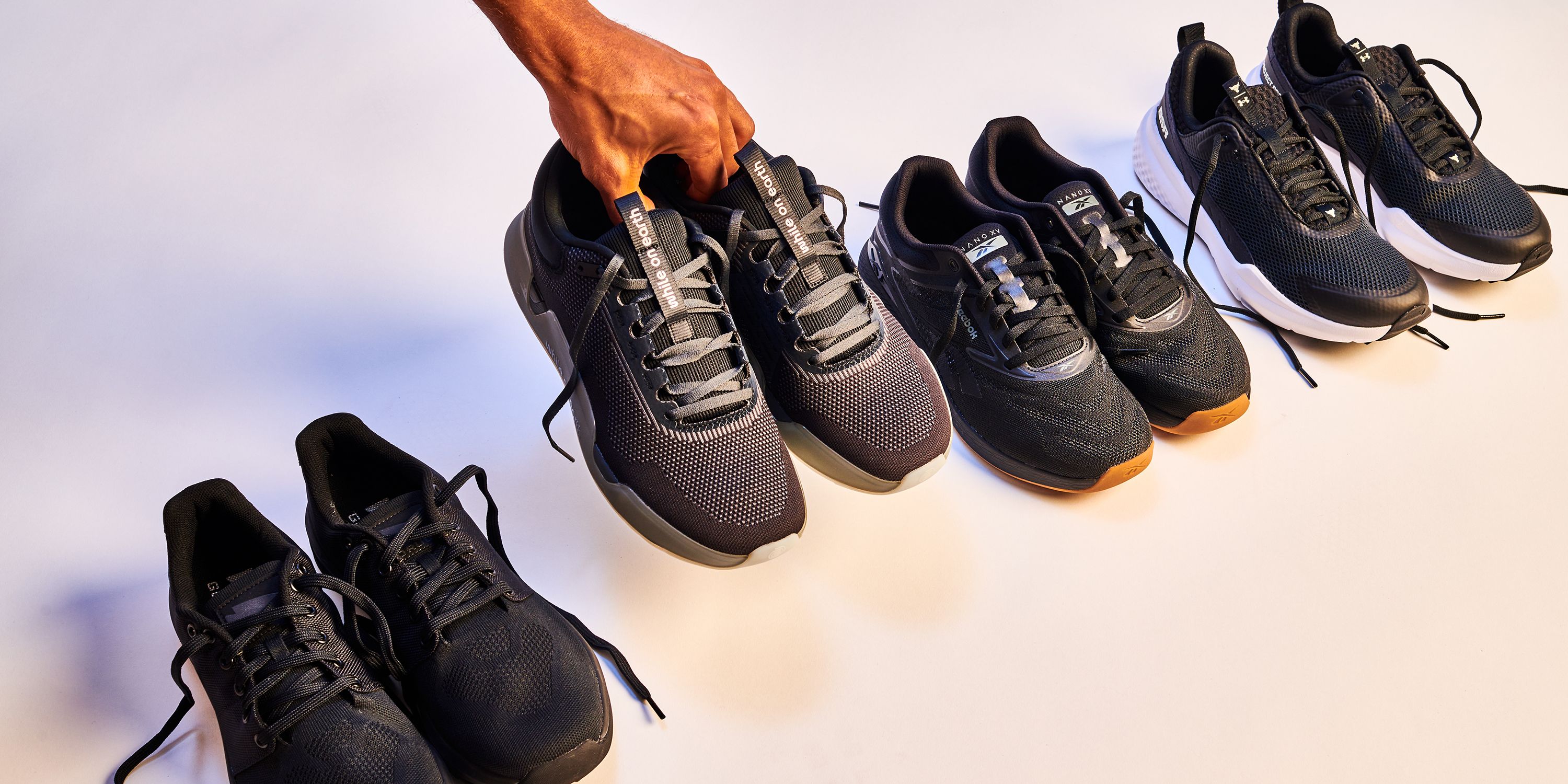
Men's Health tested eight options from major brands including Nike, Reebok, and Under Armour. Their team put each shoe through real workout scenarios with trainers and editors doing the actual testing in gyms, not just labs.
What makes a cross-training shoe different from running shoes? Running shoes prioritize forward motion and cushioning for impact. Cross-trainers sacrifice some cushioning to gain stability in all directions. They have reinforced sides to prevent ankle roll during lateral movements. They offer a firmer midsole for weightlifting. The outsole pattern grips floors during quick direction changes.
The testing process matters. Rather than relying on manufacturer specs alone, real testers wore each shoe through various exercises. They assessed how the heel felt during squats. They tested lateral support during agility drills. They noted whether the shoe stayed snug during jump rope. They evaluated breathability during sweaty sessions.
Your choice depends on your training style. Someone doing CrossFit needs different support than someone splitting time between yoga and spinning. Weight lifters want a lower heel-to-toe drop. Basketball players need more ankle support. The ideal shoe fits your specific workout mix.
Fit varies by brand. Nike runs narrow in some models. Reebok tends toward a roomier toe box. Under Armour falls somewhere between. Getting the right size matters more than brand loyalty. A shoe that's too tight cuts off circulation. A shoe that's too loose causes blisters and reduces stability.
Quality cross-trainers typically cost between 100 and 160 dollars.