Mosquitoes don't bite everyone equally. Your body chemistry, what you eat, and even what you drink can determine whether you become a mosquito magnet or mostly escape their attention.
Research shows that mosquitoes locate humans through a combination of visual cues, heat detection, and chemical signals. Female mosquitoes, the ones that actually bite, use odor receptors to find their targets. Studies have identified specific compounds in human body odor, sweat, and breath that attract these insects.
Alcohol consumption appears to increase mosquito attraction. When you drink beer, your body temperature rises slightly and you sweat more. You also exhale acetaldehyde, a compound mosquitoes find appealing. One study found that people who consumed beer experienced more mosquito landings compared to those who didn't drink.
Body odor chemistry plays a major role too. Mosquitoes respond strongly to lactic acid, ammonia, and other compounds in human sweat. Certain people naturally produce these attractants in higher concentrations, explaining why some individuals get bitten far more often than others.
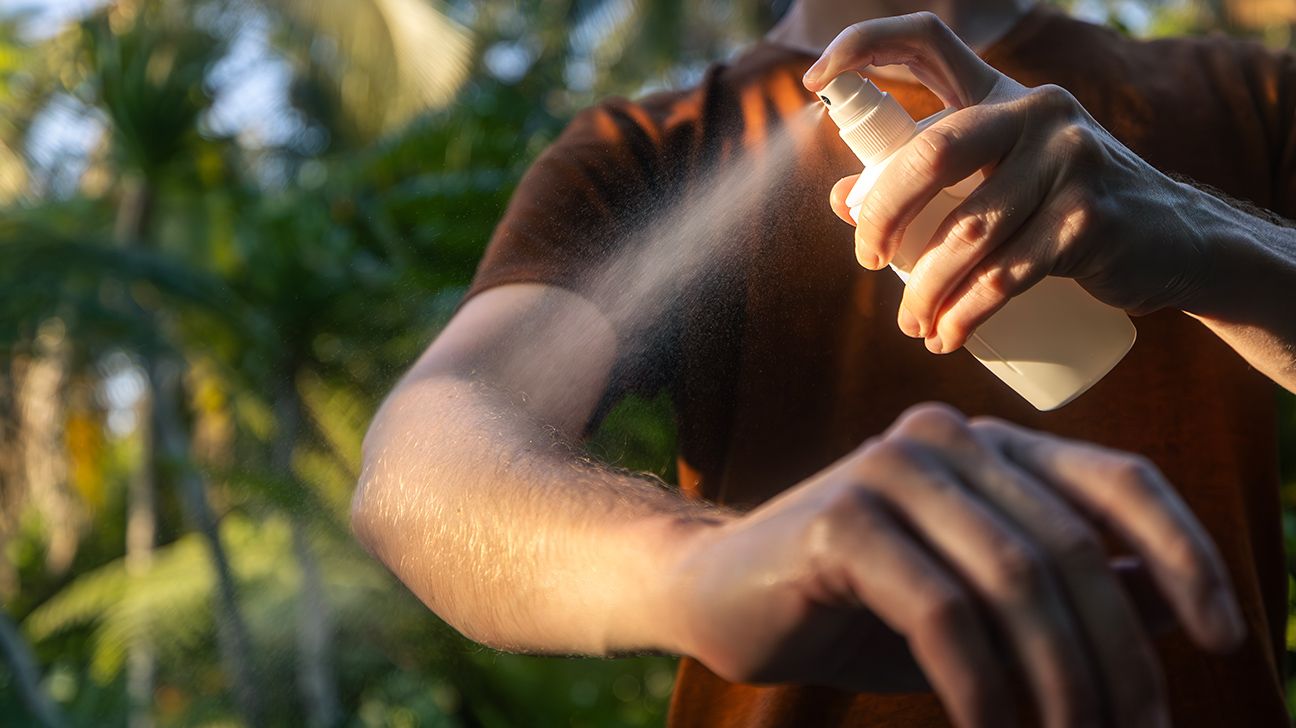
DEET remains the gold standard for mosquito protection. The chemical works by interfering with mosquito sensory receptors, preventing them from detecting your skin. Studies show DEET concentrations between 20 and 30 percent provide reliable protection for several hours. Higher concentrations offer longer-lasting defense but don't necessarily work better at lower concentrations.
Other effective options include picaridin, a synthetic repellent that rivals DEET's performance, and oil of lemon eucalyptus, a plant-based alternative. These work through similar mechanisms, blocking the insect's ability to locate you.
Limiting alcohol before outdoor activities, showering to reduce odor buildup, and wearing light-colored clothing also help reduce bites. Covering exposed skin with long sleeves and pants