Strength training just twice a week associates with living longer, according to new research examining exercise and mortality rates.
The study tracked adults and found that those who completed roughly two hours of resistance exercise weekly showed lower mortality risk across all ages. Researchers analyzed data from participants engaging in weight training, bodyweight exercises, and similar resistance work.
The findings align with existing physical activity guidelines from health organizations. Most recommendations suggest adults perform strength training at least two days per week. This latest research provides another reason to meet those targets.
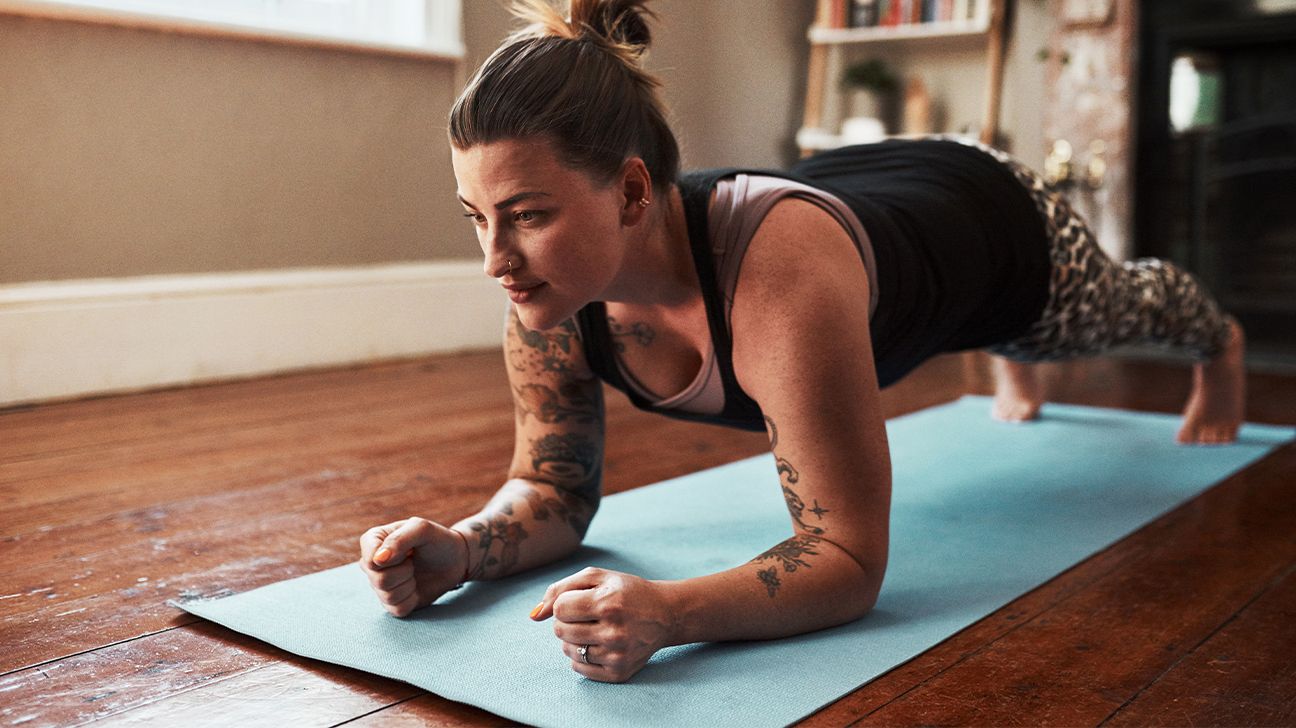
What makes this work relevant is the accessibility threshold. Two hours weekly breaks down to just 24 minutes per day, making it feasible for people with demanding schedules. Strength training doesn't require gym memberships either. Resistance bands, dumbbells, or bodyweight exercises like planks and push-ups deliver comparable benefits.
The mechanism behind the benefit involves muscle health. Resistance exercise builds lean muscle mass, which declines naturally with age. More muscle supports better metabolism, bone density, and functional ability in daily life. These factors contribute to longevity and quality of life in older years.
The research doesn't suggest intensity matters as much as consistency. Moderate-intensity resistance work appears sufficient for the mortality benefit. This contrasts with some fitness messaging that emphasizes heavy lifting or extreme conditioning.
Pairing strength training with cardiovascular activity produces optimal results. Walking, cycling, or other aerobic exercise combined with twice-weekly resistance work offers comprehensive protection against early death.
The takeaway for readers is straightforward. Adding two hours of strength training to your weekly routine requires minimal time investment relative to the potential lifespan benefit. Whether you choose gym sessions, home workouts, or outdoor activity, regular resistance exercise counts. Starting slowly with lighter resistance and building gradually prevents injury and improves adherence. Anyone beginning a new exercise program should consult their doctor first, especially those with existing health conditions.