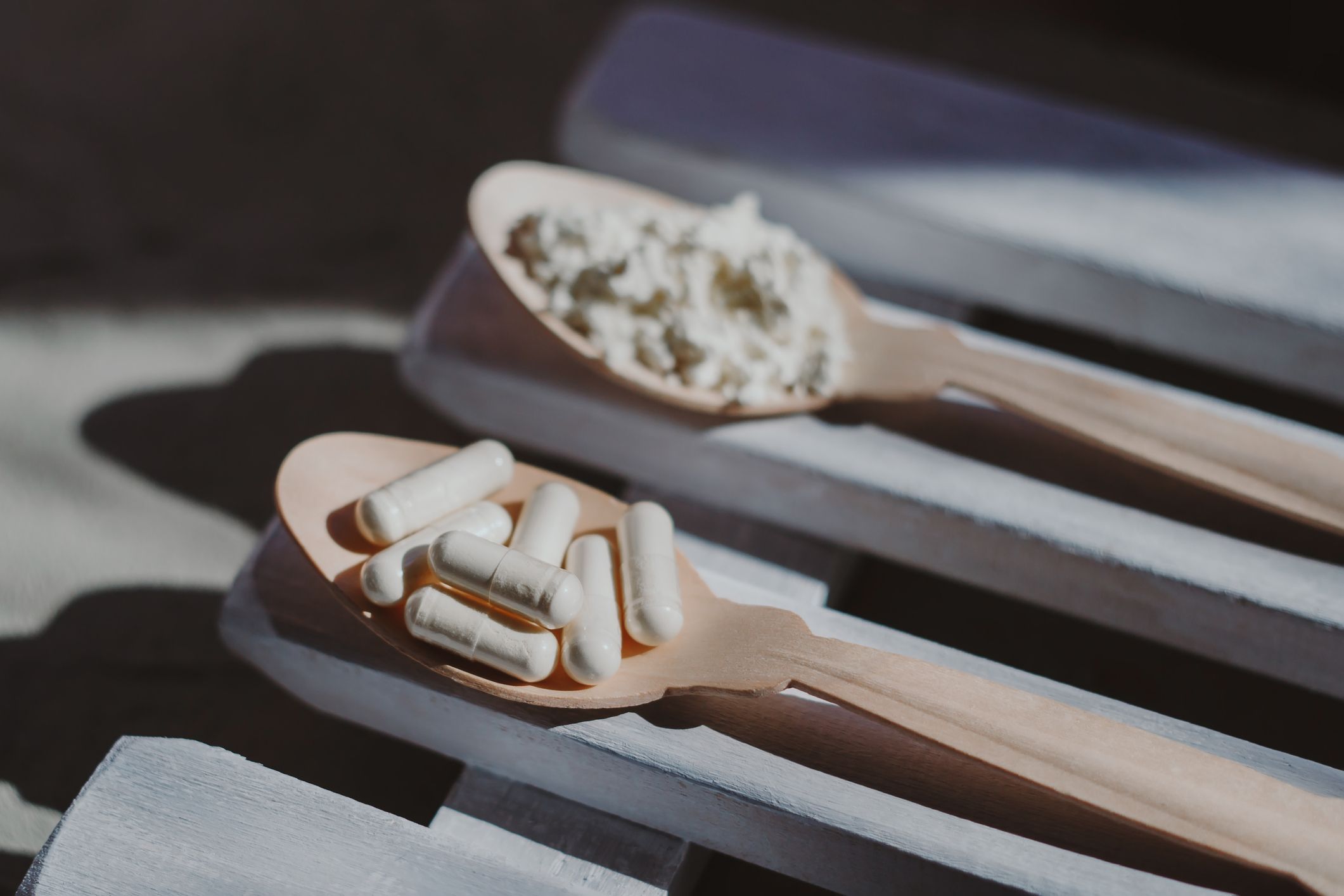
Colostrum, the nutrient-dense fluid that mothers produce before breast milk arrives, has become trendy among rodeo riders, athletes, and wellness enthusiasts who consume it as a supplement. Proponents claim it boosts immunity, accelerates muscle recovery, and improves gut health. Chiropractors and alternative practitioners frequently recommend it to their patients.
The research, however, tells a more complicated story. Studies show colostrum contains immunoglobulins, lactoferrin, and growth factors that theoretically support immune function and intestinal healing. Some research demonstrates modest benefits for athletic performance and gastrointestinal health in specific populations.
A 2018 study published in the Journal of Sports Medicine found colostrum supplementation improved high-intensity exercise performance in endurance athletes by around 5 percent, a result that borders on clinically meaningful. Other research examining leaky gut syndrome showed promise, with certain studies indicating colostrum reduced intestinal permeability in patients with compromised barriers.
Yet significant limitations exist. Most colostrum studies involve small sample sizes, short durations, and sometimes industry funding that creates bias concerns. The evidence for immune enhancement in healthy adults remains weak. Athletic benefits appear modest at best and only emerge in specific training contexts. Shelf-stable colostrum supplements may lose potency during processing and storage, raising questions about whether commercial products deliver the bioactive compounds found in fresh colostrum.
The supplement costs between $30 and $60 monthly, placing it in the expensive category for unproven interventions. Healthcare providers note that colostrum cannot replace established practices like adequate sleep, consistent training, balanced nutrition, and medical care when needed.
For rodeo riders and endurance athletes seeking marginal performance gains, colostrum represents a low-risk option worth discussing with a sports medicine doctor. For general immunity or gut health, conventional approaches like prob