# Exercises Every Woman Should Do To Support Bone Health
Women lose bone density faster than men, particularly after menopause when estrogen levels drop sharply. This acceleration creates real risk for fractures and osteoporosis later in life. Doctors now emphasize that exercise during midlife years offers the strongest defense against bone loss.
Weight-bearing exercises top the list of recommendations. Walking, jogging, and stair climbing force bones to work against gravity, triggering them to build density. These activities work best when performed regularly, ideally most days of the week.
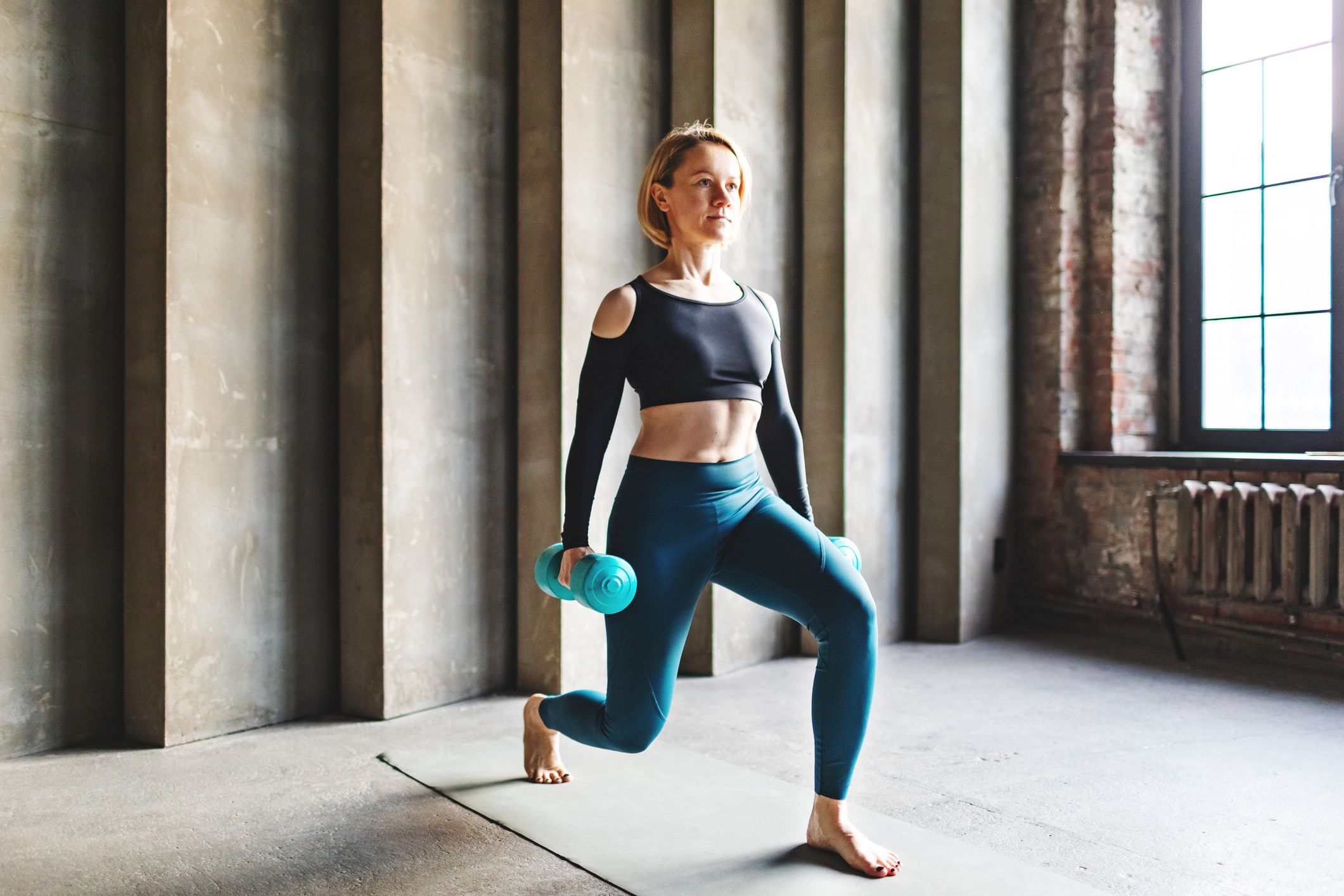
Resistance training ranks equally important. Lifting weights or using resistance bands creates stress on bones that signals them to strengthen. A 2019 study published in the Journal of Bone and Mineral Research found that women who performed strength training twice weekly significantly slowed bone loss compared to sedentary controls. Doctors recommend focusing on major muscle groups: legs, back, chest, and arms.
Balance exercises deserve attention too, especially for women over 50. Yoga, tai chi, and single-leg stands reduce fall risk. Falls represent the leading cause of fracture-related hospitalizations in older women, making prevention essential.
High-impact activities like jumping rope or dancing offer particular benefits for bone development. Research shows these movements create forces that passive exercise cannot replicate.
Consistency matters more than intensity. Women who maintain moderate activity levels outperform those who exercise sporadically, even at higher intensity. Starting slowly prevents injury while allowing bones to adapt gradually to new demands.
Nutrition supports exercise efforts. Adequate calcium and vitamin D intake work synergistically with physical activity to maintain bone strength. Most doctors recommend 1,000 to 1,200 milligrams of calcium daily for women, with 600 to 800 international units of vitamin D.
The window for bone-building peaks in the decades before menop