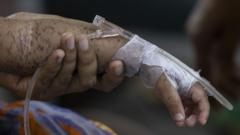
# Measles Crisis Claims Hundreds of Children's Lives in Bangladesh
Bangladesh faces a devastating measles outbreak that has killed hundreds of children in recent weeks. The country recorded more than 60,000 suspected measles cases in just over two months, creating a public health emergency that stretches healthcare resources and families to their limits.
Measles spreads through respiratory droplets and moves rapidly through populations with low vaccination coverage. The disease kills through complications including pneumonia, encephalitis, and severe diarrhea that causes dehydration. Children under five face the highest mortality risk, particularly those who are malnourished or lack access to medical care.
Bangladesh's outbreak reflects a broader pattern across South Asia. The region has experienced declining vaccination rates in recent years due to vaccine hesitancy, supply chain disruptions, and reduced routine immunization programs during the COVID-19 pandemic. Measles requires two doses of the MMR vaccine to provide lasting protection, but coverage rates in Bangladesh remain below the 95 percent threshold needed to prevent outbreaks.
The World Health Organization recommends immediate response measures including mass vaccination campaigns targeting all children in affected areas, regardless of previous vaccination history. Vitamin A supplementation during measles infection reduces mortality risk by roughly 23 percent, according to clinical trials. Treatment remains supportive, with careful attention to hydration, nutrition, and management of secondary infections.
Health officials in Bangladesh have launched emergency vaccination drives in high-transmission areas. However, reaching children in rural communities and densely packed urban slums presents logistical challenges. Parents face barriers including transportation costs, work obligations, and vaccine misinformation circulating on social media.
The outbreak underscores why maintaining high immunization coverage matters year after year. Measles elimination requires sustained effort across entire populations. One missed vaccination year creates vulnerability. In countries with interrupted routine services, those gaps accumulate rapidly.
Bangladesh's