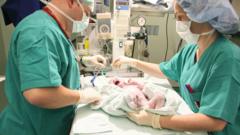
# One in Four English Births Now Requiring Emergency Caesarean
Emergency caesarean sections account for one in four births across England, according to analysis by the BBC. This represents a substantial climb over the past five years, yet researchers and clinicians remain uncertain about what's driving the trend.
The data reveals a widening gap between planned and unplanned surgical births. While the total caesarean rate has stabilized, the proportion that occur as emergencies rather than scheduled procedures continues to rise. This distinction matters because emergency caesareans carry different medical considerations and recovery trajectories than planned operations.
Experts point to multiple possible factors without consensus on which dominates. Maternal age has increased, which correlates with higher emergency caesarean rates. More women are experiencing complications during labor. Some researchers suggest staffing pressures in maternity units may affect decision-making timelines. Others note that obesity, gestational diabetes, and other prenatal conditions have become more prevalent, potentially raising the need for urgent intervention.
The NHS faces mounting pressure on maternity services across England. With emergency caesareans now so common, hospitals must maintain sufficient surgical capacity and anesthesia teams available around the clock. This resource demand ripples through maternity wards already stretched thin.
For birthing people, the implications are real. Emergency caesarean birth differs psychologically and physically from planned surgery. Recovery expectations shift. Complications occur more frequently during unplanned procedures. Yet many emergency caesareans prevent serious harm to mother and baby when labor complications arise.
Clinicians emphasize that rising emergency caesarean rates do not automatically indicate lower-quality care. Sometimes urgent surgery reflects appropriate medical response to genuine complications. The key question for maternity researchers centers on whether this increase reflects necessary interventions or points to preventable issues in labor management and prenatal care.
The NHS will need to examine whether improved support during labor, better staffing