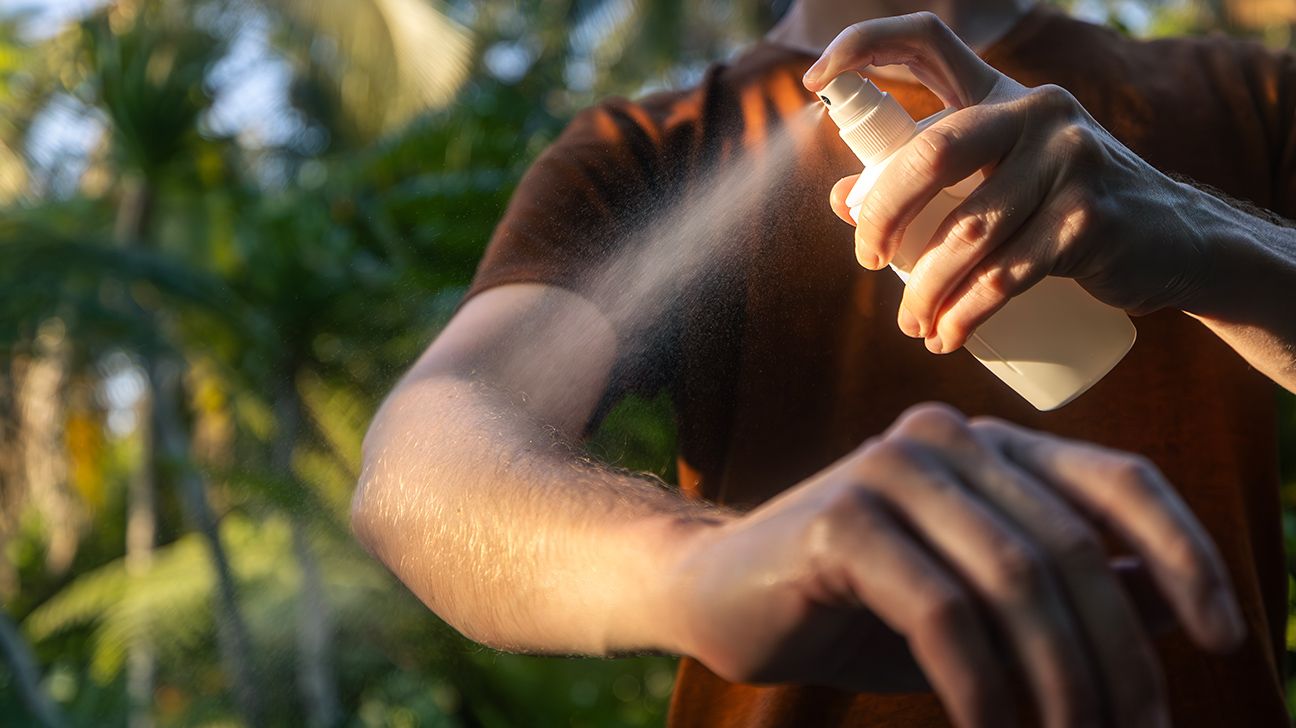
Mosquitoes show strong preferences for certain people, and two factors emerge as particularly attractive to them: beer consumption and body odor. Research reveals that these scent signals trigger mosquito attraction at a biological level, but the insect repellent DEET offers reliable protection.
Studies demonstrate that mosquitoes locate hosts through a combination of carbon dioxide, heat, and volatile organic compounds. When people drink beer, they exhale acetaldehyde and other fermentation byproducts that mosquitoes detect as feeding cues. Additionally, the bacteria on human skin produce compounds that vary between individuals. Some people naturally emit higher levels of lactic acid and ammonia, making them more appealing targets.
The variation in mosquito attraction explains why some people get bitten repeatedly while others escape unscathed at the same gathering. Genetics, diet, metabolism, and skin microbiota all influence whether mosquitoes find you appetizing. Beer amplifies these natural attractants, effectively putting a target on your back during outdoor social events.
DEET remains the gold standard for mosquito defense. The chemical works by interfering with mosquito sensory receptors, blocking their ability to detect human hosts effectively. When applied to exposed skin and clothing, DEET concentrations of 20 to 30 percent provide reliable protection for several hours. Research confirms DEET's safety for regular use when applied as directed.
For those seeking alternatives, picaridin offers comparable protection with a lighter feel on skin. Permethrin, applied to clothing rather than skin, creates an additional barrier. However, DEET maintains the strongest evidence base for effectiveness against disease-carrying mosquitoes like those transmitting dengue, Zika, and West Nile virus.
The takeaway for beer drinkers and naturally high-odor individuals: compensate with application of proven repellents. If you plan outdoor